The #1 Virginia Beach Roofing Company. GAF Master Elite® Roof Repairs, Replacement & Installation.
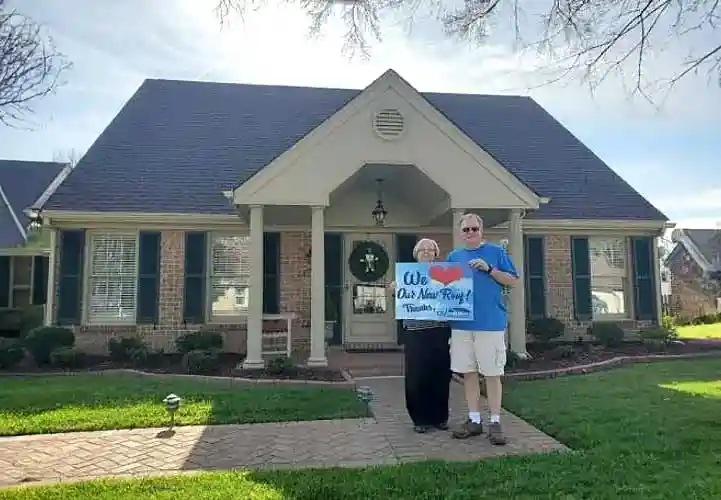
⭐⭐⭐⭐⭐ 5 | "We have used WT Anderson for several home projects over the years. They have always been amazing to work with and provide skilled craftsman to execute the jobs. They have replaced our roof, gutters, windows and vinyl wrap!" – Kristin W. - Virginia Beach homeowner
Our team responds within 24 hours!

Licensed & Insured
We take pride in the details
Call us today to learn more!
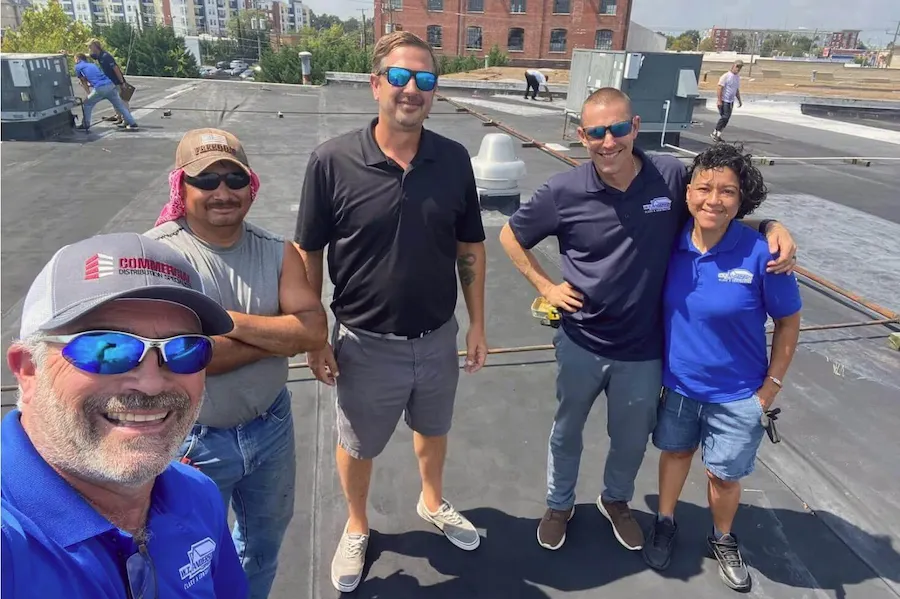
Your Decision in Choosing a Virginia Beach Contractor Should be Worry Free
As a Class A licensed and fully insured roofing company, WT Anderson delivers technically superior roofing solutions with unwavering process integrity. We protect your most valuable asset with craftsmanship that meets and exceeds all Virginia Beach and Hampton Roads building codes, ensuring your home is secure for decades to come.

Verified by Tom Anderson
Founder Tom Anderson personally reviews all Virginia Beach roof forensic reports. His on-site diagnostic approach ensures that complex substrate issues in Kempsville, Sandbridge, and Pungo are identified and resolved with 100% VUSBC compliance before a single shingle is ever installed.


Get a FREE Quote Today!
Our team of friendly experts can assess the needs of your home and provide you with the knowledge you need to make informed decisions.
Our team responds within 24 hours!


Our Guaranteed Roofing Services
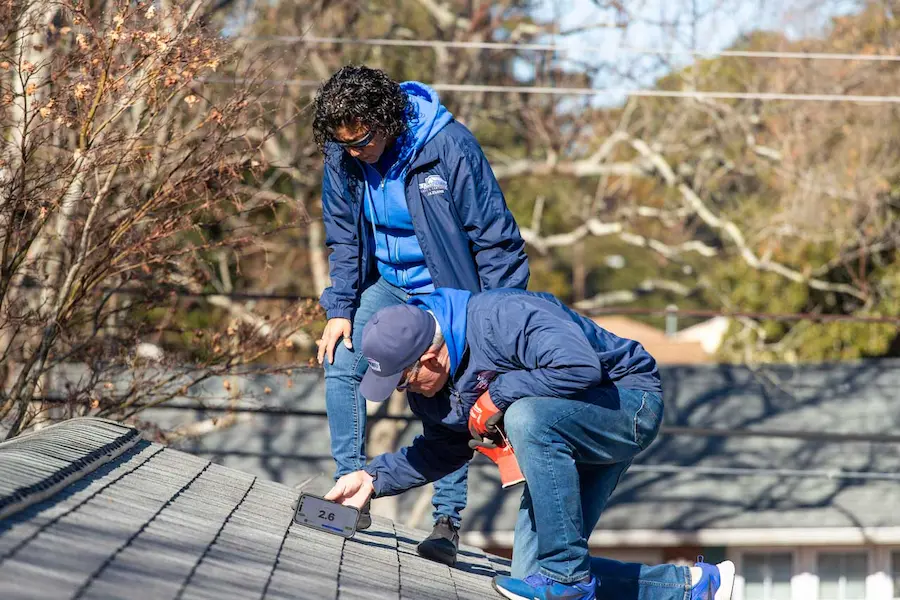
Home Exterior Services



Residential Roof Replacement & Installation
A new roof is one of the most critical investments for your home. We specialize in high-performance Virginia Beach Roof Replacement using superior materials like GAF Architectural Shingles, durable Metal Roofing, and classic Cedar Shake Roofing. Our process begins with a meticulous roof inspection service to assess the condition of your entire system. Whether you're dealing with an aging roof, persistent leaks, or significant storm damage, our new roof construction ensures total protection. As a GAF Master Elite Contractor, we provide an unmatched Roofing Warranty, giving you peace of mind that your investment is secure. We handle everything from securing building permits to final cleanup, making the roof installation in Virginia Beach process seamless for you.
Verified Operations: Virginia Beach Building Envelope
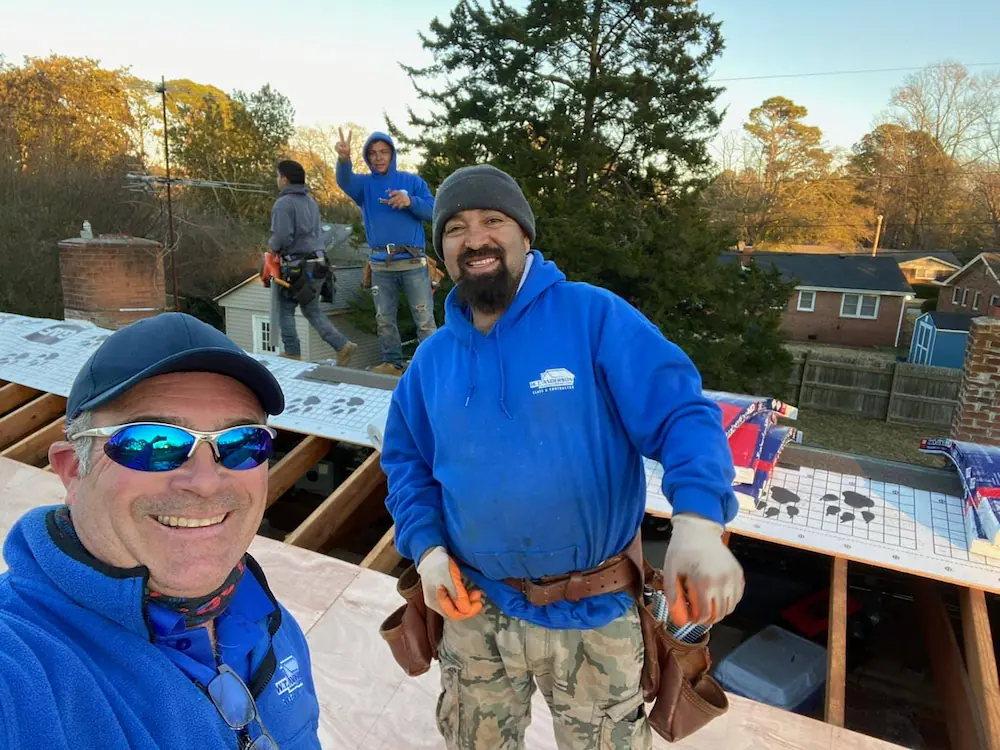
One-Day Roof Replacement: Verified by Scott Smith for Héctor Miranda's crew completing a full roof replacement — estimate to cleanup — in a single day to high standard (Verified Google Review).
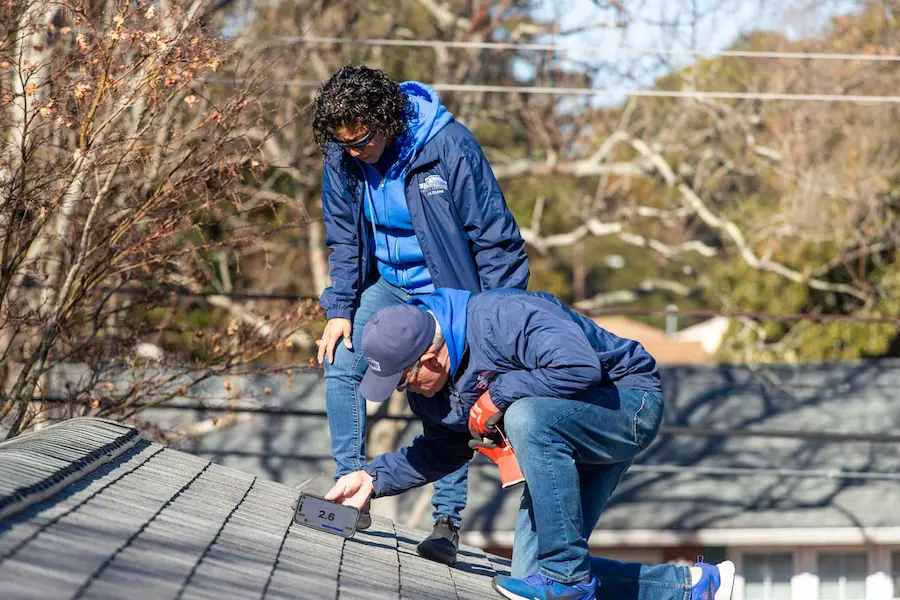
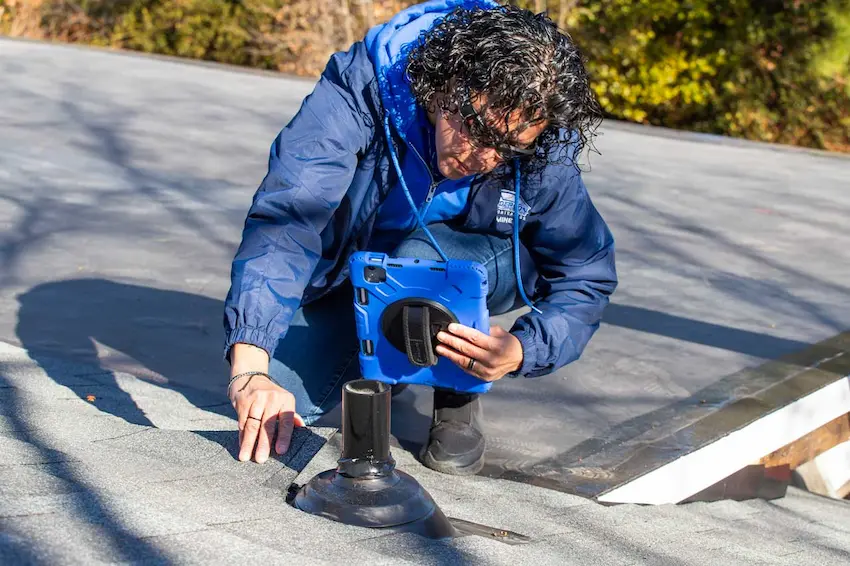
Leak Diagnostics & Prevention: Verified by Emily Faulkenberry for Héctor Miranda's knowledgeable leak diagnosis and photo-documented guidance on preventing future roof issues (Verified Google Review).
Multi-Project Homeowner Trust: Verified by Kristin Watkins for repeat work across roof, gutters, windows, and vinyl wrap — handled professionally with open communication each time Verify in Virginia Beach.
Process & Site Discipline: Verified by JoAnna Bryant for end-to-end communication from estimator to site supervisors, work completed on schedule with the job site left clean Verify in Virginia Beach.
"Jon gave the estimate, Hector and the crew did an outstanding job... The roof was replaced and cleaned up in one day! Everyone was professional, personable, and dedicated!"
"Hector was very knowledgeable in addressing my leak... informative about the rest of the roof... providing helpful pictures. He went above and beyond."
"We have used WT Anderson for several home projects over the years... replaced our roof, gutters, windows and vinyl wrap! Each project was handled professionally."
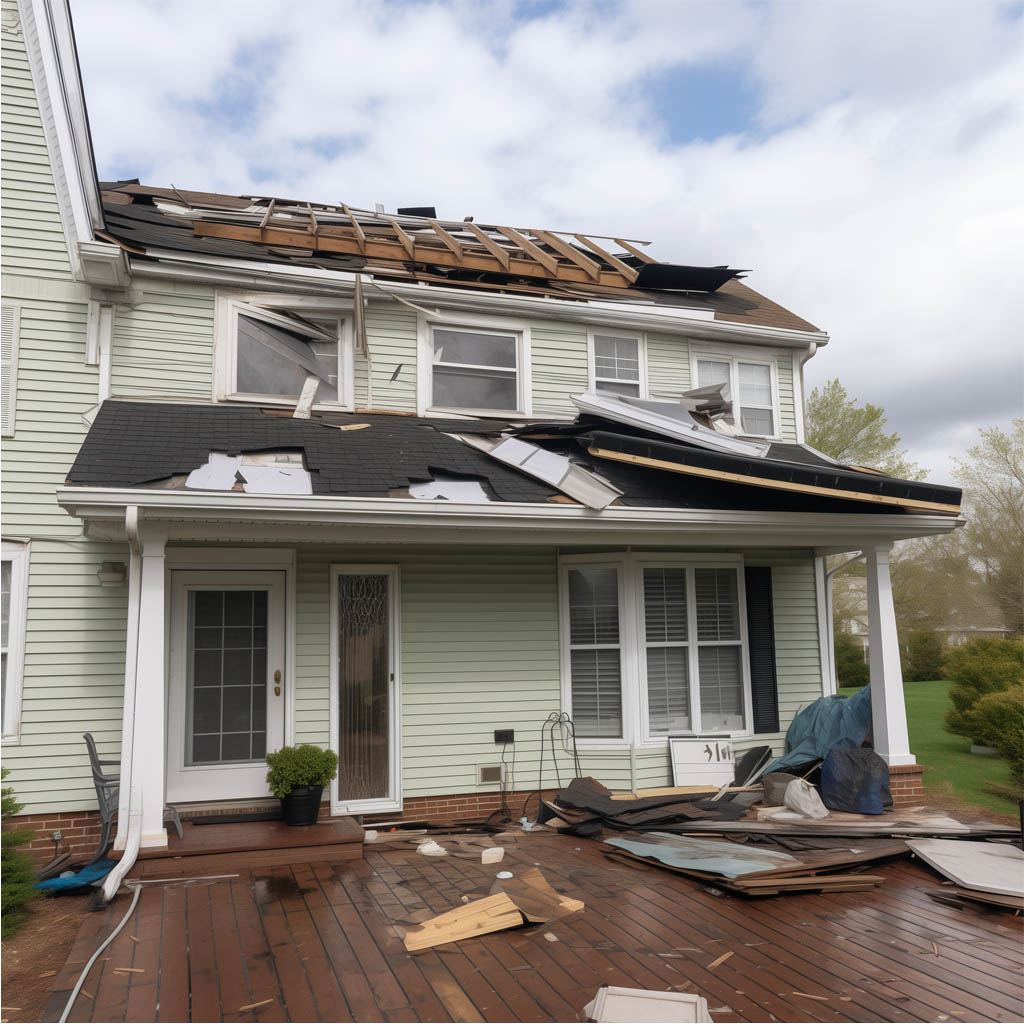
Advanced Roof Repair & Storm Damage Restoration
The coastal weather in Virginia can be unforgiving. We offer prompt and precise Virginia Beach Roof Repair services to address any issue, from a few missing shingles to significant structural damage. Our team is highly experienced in Storm Damage Repair, including Hail Damage Roof assessments and Wind Damage Repair. We understand the urgency after a hurricane, providing Emergency Roof Repair to mitigate further issues like water damage. Our Roof Leak Repair service isn't just a patch; we identify the root cause, whether it's failed flashing, poor roof ventilation, or damaged underlayment, providing a lasting solution. We also assist with the necessary steps for Water Damage Restoration to bring your home back to its pre-loss condition.
Comprehensive Residential & Commercial Roof Inspection
A thorough roof inspection is the cornerstone of effective preventative maintenance and the first step in protecting your home or commercial building. Our certified roof inspector team utilizes a multi-point process that leaves no stone unturned. We conduct a detailed structural integrity assessment, examining everything from your roof decking and attic ventilation to the condition of your roof underlayment. Using advanced techniques like drone roof inspection and thermal imaging inspection, we excel at roof leak detection and identifying subtle signs of water intrusion that are invisible to the naked eye, such as those that cause water stains on ceiling panels. This meticulous approach is crucial for pre-purchase home inspections, post-storm damage assessment, and routine property maintenance, providing you with a clear, actionable report on your roof's condition and expected roof lifespan.

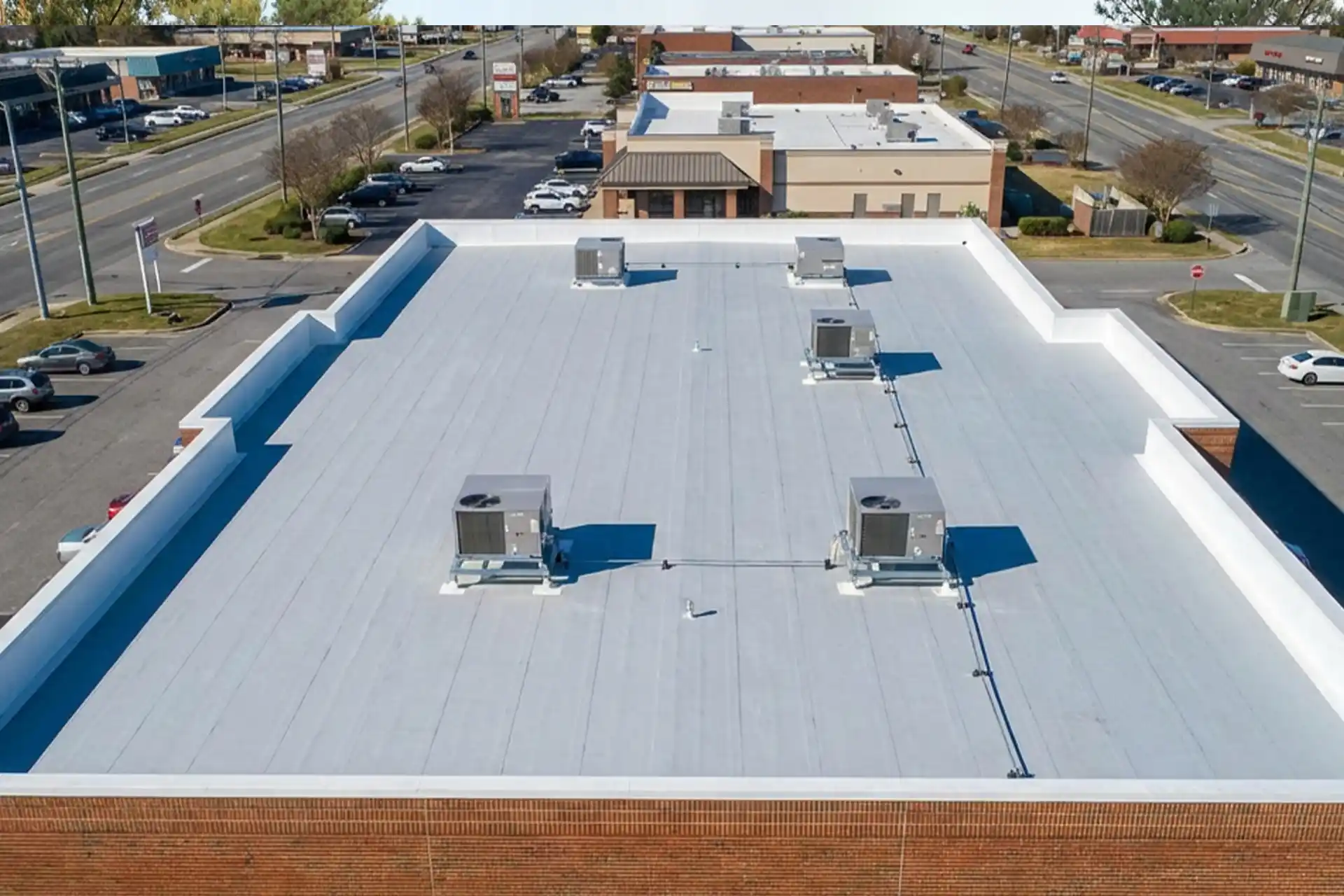
Commercial Roofing Solutions for Virginia Beach
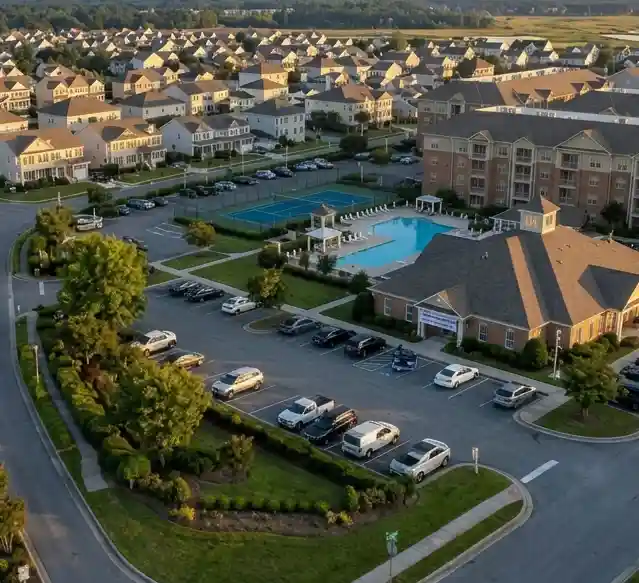
WT Anderson is a trusted roofing company for business owners and property managers across Virginia. We provide robust Commercial Roofing services tailored to the unique needs of your business. Our expertise includes modern Flat Roofing systems like TPO Roofing and EPDM Roofing, which offer excellent durability and energy efficiency. We understand that roofing work can't disrupt your operations, so we meticulously plan every project to ensure minimal impact. From new roof construction for commercial buildings to routine roof maintenance and repairs, we are the roofing contractors businesses in Portsmouth, Suffolk, and Newport News rely on for quality and professionalism.
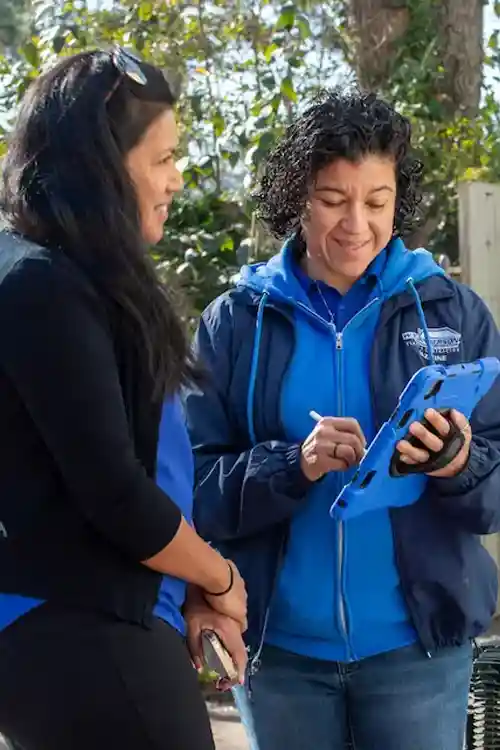
Why Homeowners in Virginia Beach, VA Trust WT Anderson
Choosing a roofing contractor is a major decision. Your roof is the primary shield for your home or commercial property. At WT Anderson Roofing, we've built our reputation on a foundation of technical excellence, transparent communication, and an unwavering commitment to our clients. We are a family-owned business dedicated to serving our neighbors across the Hampton Roads community, and we believe our qualifications and customer-first approach set us apart.
- Verified GAF Master Elite® Contractor Status: This prestigious certification is earned by only the top 2% of roofing contractors nationwide. It's a verified testament to our high standards of workmanship, our commitment to ongoing professional training, and our financial stability. This elite status allows us to offer the GAF Golden Pledge Warranty—the most comprehensive manufacturer warranty in the industry, covering both materials and our installation labor for decades of protection. When you choose WT Anderson, you're choosing a team that has been rigorously vetted by GAF, the largest shingle manufacturer in North America.
- A Professional, Stress-Free Customer Experience: We understand that a major home improvement project like a new roof can be daunting. Our entire process is designed to remove that stress. It starts with a free roofing estimate and a thorough project consultation where we listen to your needs and answer your questions. Our professional roofing team treats your property with respect, maintains a clean job site, and communicates clearly throughout the entire roofing project. Our goal is not just to build a great roof, but to build a lasting relationship based on trust and satisfaction.
- Deep Local Expertise for the Tidewater Region: As a local roofing company based in Virginia Beach, we have firsthand experience with the unique environmental challenges our area faces. From the intense summer sun to the threat of hurricane damage, we build weatherproof roofing systems designed to withstand local conditions. Our knowledge of local building codes and requirements in Virginia Beach, Chesapeake, Norfolk, and Portsmouth ensures your project is completed correctly and efficiently. We aren't a storm-chasing company; we are your neighbors, committed to protecting our community one roof at a time.
It’s Not a Suggestion, It's the Law: The Virginia Beach Roofing Permit Requirement
Let's be perfectly clear: getting a permit for a full roof replacement isn't optional. It’s a legal mandate. In the City of Virginia Beach, roofing replacements explicitly require a residential building permit. This isn't bureaucratic red tape; it's a fundamental consumer protection mechanism. The permit initiates a formal record of the work being done at your property, ensuring it is tracked and, most importantly, inspected.
Engaging in a roof replacement without a permit carries significant financial and legal risks. A non-permitted project can result in stop-work orders, hefty fines, and the potential for having to tear off the new roof to have it properly inspected. Furthermore, if future hurricane damage occurs, your insurance carrier could deny the claim if they discover the work was done illegally. When you eventually sell your home, the lack of a permit for a major capital improvement like a new roof can derail the entire transaction. A professional service from a qualified roofing siding company always includes managing this critical step.
The City Inspector: Your Unbiased Advocate for a Code-Compliant Roof
Many homeowners view inspections as a hassle. In reality, the mandatory "Final Building" inspection by a City of Virginia Beach official is the ultimate quality check on your investment. This inspector doesn't work for the roofing company; they work for you, the citizen. Their only objective is to verify that your new roof meets the stringent standards of the Virginia Uniform Statewide Building Code (VUSBC).
This unbiased, third-party verification is priceless. It confirms that the roof decking repair was done correctly, the underlayment provides a proper moisture barrier, and the shingles or metal roofing panels are fastened to withstand the high-wind conditions we face along the coast. The law is explicit on this point. The Virginia Residential Code (Section R903.1) legally mandates that roof assemblies must be designed and installed in accordance with the code and manufacturer's instructions to protect the building. This isn't just about preventing a roof leak repair down the road; it's about the structural integrity of your entire home, especially in areas like Sandbridge and the Oceanfront that bear the brunt of coastal storms.
Vetting Your Contractor: A Practical Checklist for Virginia Beach Homeowners
To ensure you're working with a reputable roofer who respects the law and prioritizes quality, you need to ask the right questions. Here is a checklist to help you vet any potential roofing contractor in the Virginia Beach area.
- "Are you a licensed Class A contractor, and how can I verify your status?"
A professional will be proud of their credentials. The Virginia Board for Contractors issues licenses in different classes (A, B, or C), which determine the monetary value of contracts a company is legally allowed to perform. For a full roof replacement, you should insist on a Class A contractor, as this license has the strictest requirements for experience and financial stability. Any legitimate general contractor will encourage you to verify their status using Virginia's Department of Professional and Occupational Regulation (DPOR) public 'License Lookup' tool. - "What is your exact process for pulling the city permit?"
The only correct answer is: "We, the contractor, pull the permit under our company's license." If a roofer asks you, the homeowner, to pull the permit, it is a massive red flag. This often means they are not properly licensed or insured to perform the work in Virginia Beach. - "How do you schedule and manage the final city inspection?"
An experienced roofing company has a streamlined process for this. They will handle all scheduling with the city and ensure a supervisor is on-site to meet the inspector, walk them through the project, and answer any technical questions. Their job isn't finished until that inspection is passed. - "How does your installation process account for our coastal weather?"
A true local roofing company will be able to speak confidently about specific techniques for waterproofing services, enhanced nailing patterns for high-wind zones, and the importance of proper chimney flashing and roof flashing repair. They should sound like coastal roofing specialists, not just a generic installer.
Virginia Beach FAQs
How much does a new roof cost in Virginia Beach?
The cost of a new roof in Virginia, particularly in the Virginia Beach area, varies significantly based on several key factors. These include the square footage of your roof, the pitch (steepness), the type of building materials selected (e.g., architectural shingles vs. metal roofing), the complexity of the job (number of valleys, dormers, and skylights), and the condition of the underlying roof deck. The best way to get an accurate figure is to schedule a free, no-obligation roofing estimate. WT Anderson provides a detailed, transparent quote that breaks down all costs, so you can make an informed decision for your home improvement project without any surprises.
Why do some people think insurance companies don't like metal roofs?
This is a common misconception. While the initial installation cost of a metal roof can be higher than asphalt shingles, insurance companies often view them favorably due to their exceptional durability and longevity. Metal roofing offers superior resistance to wind damage, hail damage, and fire, which can lead to fewer claims over the life of the roof. The key is proper installation by a certified roofing contractor. An improperly installed metal roof can have issues, which is where the hesitation may come from. At WT Anderson, our experienced roofers ensure your metal roofing system is installed to the highest manufacturer standards, maximizing its protective benefits and value.
What services are offered by roofing contractors in Virginia Beach?
While we can't speak for every company, a comprehensive and professional roofing contractor should offer a wide range of services to protect your entire roofing system. At WT Anderson, our core services include residential roof replacement, new roof installation, and all types of roof repair services, including emergency response for storm damage. We are also highly experienced in commercial roofing, specializing in TPO and EPDM flat roofing systems. Beyond the roof itself, we provide critical related services such as roof ventilation analysis and installation, as well as seamless gutter installation to ensure proper water management and protect your home's foundation.