Metal Roofing Near Virginia Beach: Why Hidden Substrate Damage Defines Success or Failure
Our team responds within 24 hours!
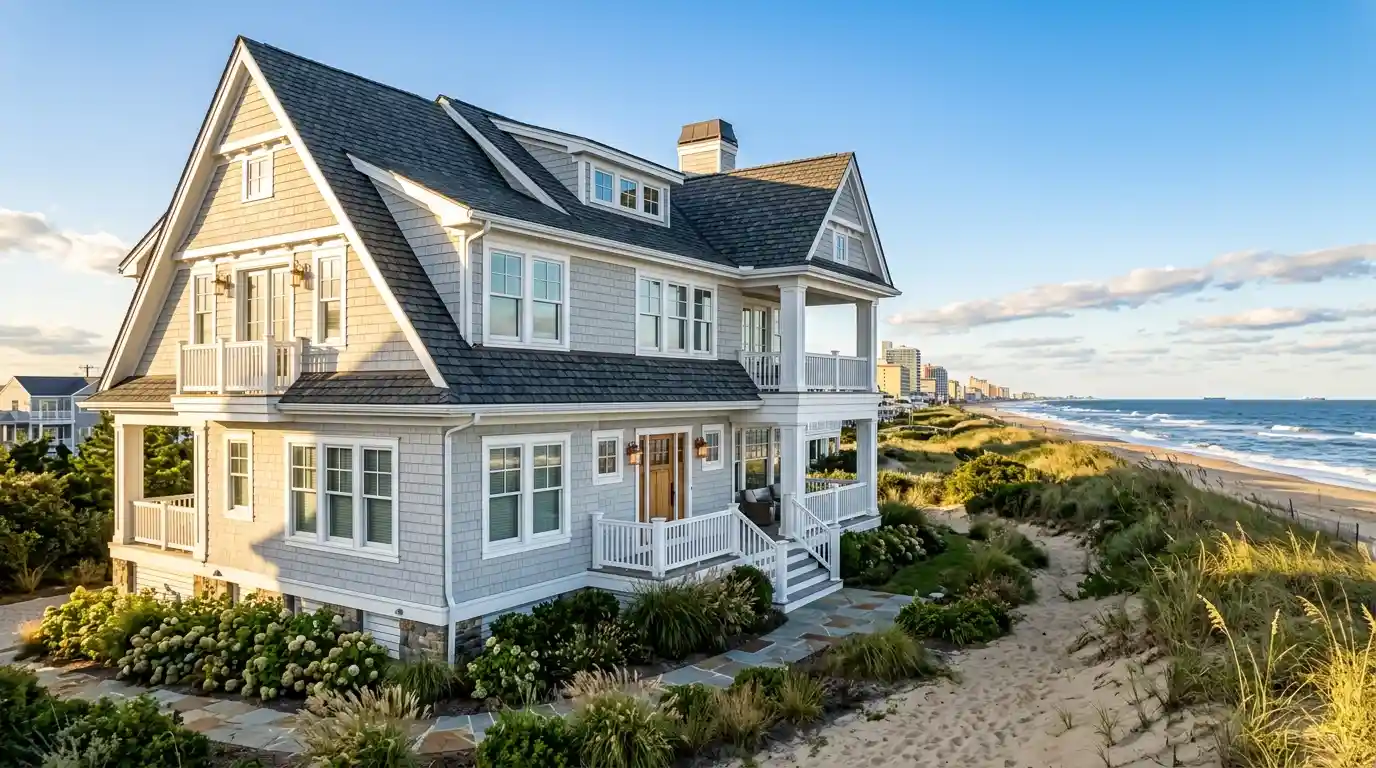

Metal roofing in Virginia Beach requires forensic-level diagnostic inspection before installation because undiagnosed substrate problems—moisture intrusion, salt-degraded decking, and concealed structural damage that standard estimates miss—cause most coastal metal roof failures. While shingle estimates often overlook these conditions, metal panels magnify every substrate weakness, turning hidden rot into catastrophic leaks and forcing expensive mid-project rebuilds when contractors discover problems too late.
Why Coastal Virginia Beach Substrates Destroy Standard Metal Roof Estimates
The structural deck beneath your visible roofing materials determines whether a metal roof installation succeeds or fails spectacularly. In Virginia Beach's marine climate, salt air penetrates through aging ventilation, condensation accumulates inside poorly insulated attics, and moisture migrates laterally through roof decks faster than inland environments. A metal roof estimate in Virginia Beach that treats your project as simple material replacement ignores the forensic reality beneath.
Metal panels lock moisture inside failed substrates. Asphalt shingles breathe and telegraph small problems gradually—a dark spot, minor granule loss, localized lifting. Metal roofing seals the envelope completely. When installers secure standing seam panels or corrugated metal roofing over decking already compromised by years of salt air corrosion or undetected soffit leaks, that trapped moisture accelerates wood decay exponentially. What might have remained a slow-developing issue under architectural shingles becomes structural failure under metal.
Dennis, one of our crew leads who completed the complex third-story crow's nest rebuild after three previous contractor failures, encountered exactly this scenario on a Sandbridge property. The original metal roofing estimate assumed sound decking. When the tear-off began, the crew discovered an entire section of roof deck where salt air had migrated through failed eaves flashing, leaving the plywood soft enough to puncture with moderate hand pressure. The homeowner, J, described the rebuild in a review as "complicated and difficult but completed seamlessly," but only because the diagnostic process caught structural issues standard contractors would have covered with new metal panels.
Salt Air Corrosion Patterns Standard Contractors Miss
Virginia Beach sits in a corrosive microclimate. Salt aerosols deposit on roof surfaces, penetrate through ridge cap gaps, and infiltrate attic spaces through inadequate ventilation systems. Galvanized steel fasteners corrode. Aluminum flashing develops pitting. Zinc roofing shows white rust formation along seams. These aren't theoretical long-term concerns—they're active degradation processes that begin before installation if the diagnostic assessment doesn't account for coastal-specific substrate conditions.
Standard roofing estimates examine visible surface damage. Forensic assessment identifies how salt has already compromised structural elements. Fascia boards appear sound from ground level but crumble when pressure-tested. Soffit panels look intact but conceal saturated insulation behind them. Roof deck fastener patterns show rust staining that indicates moisture paths invisible during a visual-only inspection. The difference between these approaches isn't thoroughness for its own sake—it's preventing installation failures that void manufacturer warranties and trigger insurance disputes.
Materials and methods of application for reroofing in Virginia must comply with Chapter 15 requirements and Sections 302.1, 501.1, and 602.3.2 of the VEBC, according to Virginia administrative code 13VAC5-63-268. Compliance verification requires structural assessment before installation begins. Standard estimates quote material costs and labor hours. Diagnostic protocols document substrate conditions against code requirements and flag non-compliance issues before crews arrive with metal panels.
The Diagnostic Protocol That Prevents Metal Roof Failures
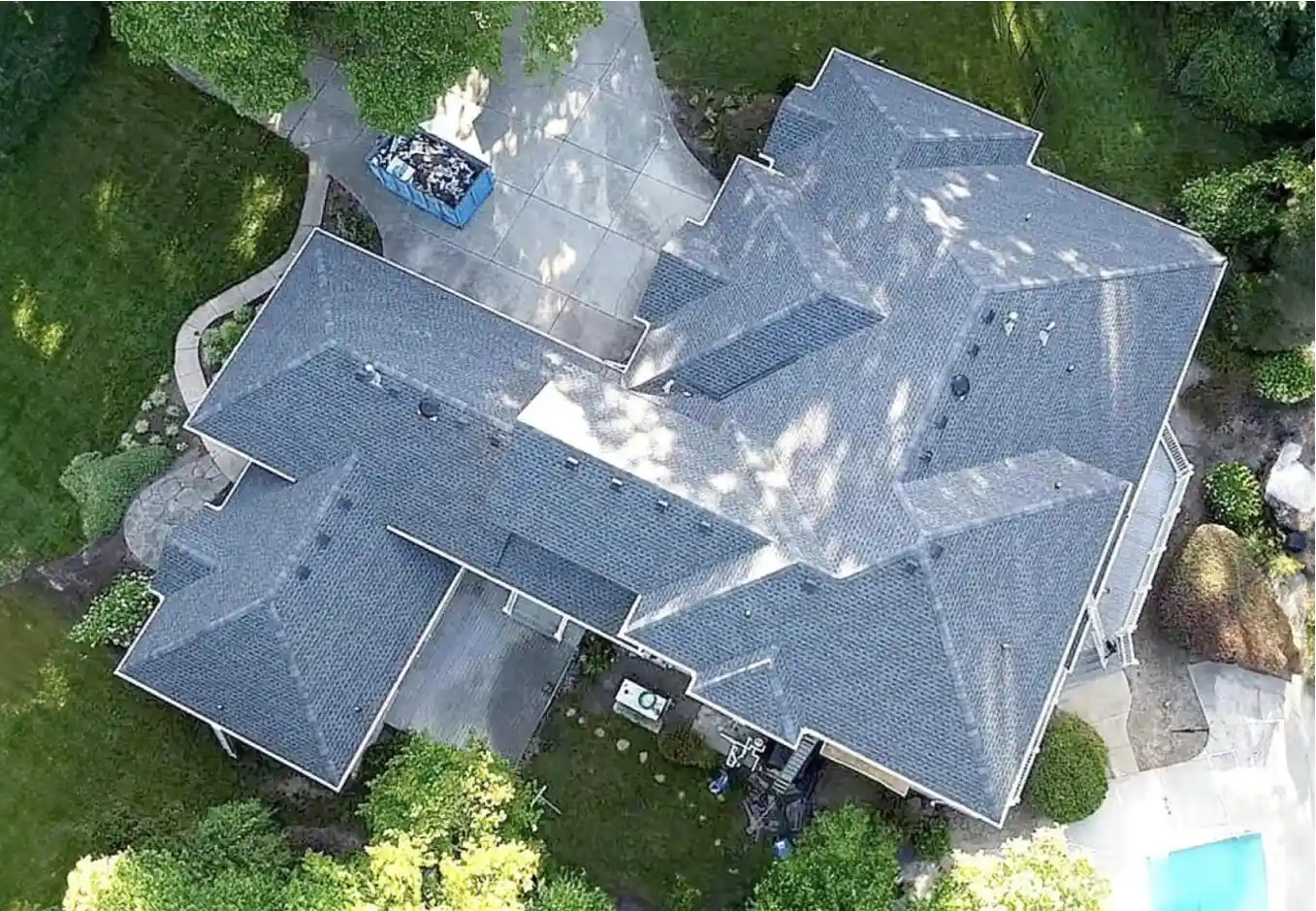
Tom Anderson personally reviews roof structures before providing definitive quotes for metal roofing installations in Virginia Beach. This isn't ceremonial oversight—it's forensic assessment that identifies the complex substrate problems causing previous contractor failures. The inspection process treats every roof as a structural engineering challenge requiring problem-solving, not a commodity transaction.
A typical metal roofing estimate involves a 20-minute roof walk, measurements for material calculations, and a price quote. The forensic approach documents moisture barrier integrity, tests deck fastener withdrawal resistance, inspects attic ventilation paths for airflow obstruction, photographs underlayment deterioration patterns, evaluates flashing termination details at wall intersections, and maps areas where previous repairs created thermal bridging or compromised the building envelope.
What Founder-Led Structural Assessment Actually Examines
The diagnostic inspection begins in the attic, not on the roof surface. Insulation displacement patterns reveal where moisture has condensed. Rafter webbing shows rust on metal connector plates. Sheathing exhibits staining that indicates the duration and severity of water intrusion. These findings determine whether a simple re-roof solves the problem or whether substrate reconstruction becomes necessary before metal panels arrive.
Scott described his experience in a review: "Jon gave the estimate, Hector and the crew did an outstanding job... The roof was replaced and cleaned up in one day!" That single-day completion was possible only because the diagnostic phase identified and resolved substrate issues beforehand. When crews arrive without diagnostic preparation, they discover problems mid-installation, halt work for change orders, and leave homeowners with exposed decking during weather events.
The inspection protocol includes:
Deck Structural TestingPhysical probing at known vulnerability points—valleys, penetrations, eaves—to verify sheathing hasn't delaminated or lost fastener-holding capacity. Soft spots indicate replacement sections required before metal installation.Moisture Intrusion MappingInfrared imaging during specific weather conditions reveals active leak paths. Salt air creates unique thermal signatures where it has saturated insulation or migrated through failed seals. Documentation establishes rebuild scope.Fastener Pattern AnalysisExisting nail or screw spacing, placement relative to framing, and corrosion levels determine whether current attachment meets wind resistance requirements for metal roofing. Coastal installations face higher wind loads than inland Virginia locations like Portsmouth or Chesapeake.Ventilation System AssessmentAirflow calculations verify attic ventilation meets code ratios for the roof area. Inadequate ventilation traps humid air beneath metal roofing, accelerating corrosion of steel roofing panels and fasteners from the underside. Ridge vents, soffit intakes, and gable vents must provide balanced intake and exhaust.Building Envelope ContinuityFlashing transitions, trim terminations, and penetration seals determine whether the roof system functions as an integrated moisture barrier. Metal roofing amplifies any discontinuity—water that might slowly wick through shingle underlayment flows rapidly down metal panels to any gap.
Commercial building permits in Virginia Beach are required for roofing replacements, according to the city's planning department. Residential projects fall under similar scrutiny when structural modifications occur. The diagnostic process documents existing conditions and proposed corrections in permit-ready formats, preventing inspection failures that delay project completion.
How Diagnostic Preparation Prevents Mid-Project Failures
YAN wrote in a review about WT Anderson's work: "Their work was both professional and thorough, and every detail was handled with great care." That detail-oriented approach begins with identifying problems before installation, not discovering them when metal panels are half-installed and a rainstorm approaches.
A 2010 Virginia Beach roof replacement project resulted in six lawsuits seeking over $26 million in damages related to adhesive exposure and alleged failures to ensure products were used safely or to warn about adverse effects, as documented by IIBEC. While that case involved commercial roofing, it illustrates how preparation failures cascade into catastrophic outcomes. Residential metal roofing carries the same forensic responsibility—diagnostic work identifies not just structural issues but material compatibility, ventilation requirements, and substrate preparation necessary for safe installation.
The diagnostic phase answers questions standard estimates ignore:
- Does the existing deck provide adequate fastener withdrawal resistance for metal panel attachment in hurricane-force winds?
- Have previous repairs created mixed fastener types that will corrode galvanically when covered by metal roofing?
- Do attic moisture levels require vapor barrier corrections before sealing the envelope with metal panels?
- Are structural members sized appropriately for the snow load and dead load of the proposed metal roofing system?
- Does the building's electrical grounding account for a conductive metal roof surface?
These aren't academic questions. Each one represents a failure mode that destroys metal roofs years before their expected service life. Diagnostic oversight resolves them before materials arrive.
Why Standard Metal Roof Estimates Fail in Coastal Virginia Beach Conditions
Most metal roofing contractors provide estimates based on visible conditions and standard installation assumptions. They measure roof area, calculate material quantities, estimate labor hours, and quote a price. This approach works reasonably well for simple shingle replacements in dry climates with minimal environmental stress. It fails catastrophically for metal roofing in Virginia Beach's coastal environment.
The standard estimate process assumes the substrate is sound. It treats the roof deck as a stable platform requiring only basic preparation—remove old materials, install underlayment, attach new roofing. For coastal Virginia Beach properties, this assumption is frequently wrong. Salt air has been attacking structural components for years before the estimate even occurs. Moisture has migrated through inadequate ventilation. Previous contractors have made repairs that addressed symptoms while ignoring root causes.
The Hidden Substrate Problems Metal Panels Magnify
Asphalt shingles tolerate minor substrate imperfections. They're flexible, vapor-permeable, and replaceable in small sections if localized problems develop. Metal roofing offers none of these forgiveness factors. Metal panels are rigid—they telegraph every deck irregularity as visible waviness. They're vapor barriers—they trap moisture inside any substrate problem. They're installed in large sections—discovering a problem means removing substantial areas.
Emily noted in her review that Hector "was informative about the rest of the roof, in terms of what to look out for to prevent future issues, providing helpful pictures." That educational approach reflects understanding that metal roofing creates a permanent envelope over whatever substrate exists. Once installed, accessing and repairing underlying problems requires expensive tear-off. Prevention through diagnostic assessment costs far less than correction after installation.
Specific substrate problems that destroy metal roofs include:
Deck Delamination from Moisture Cycling
Plywood or OSB sheathing exposed to repeated wetting and drying separates into layers. Fasteners lose holding power. Metal panels pull loose during wind events. The delamination isn't visible from above—it requires physical testing from below or destructive probing.
Rafter Sag from Long-Term Loading
Older homes in Virginia Beach often have undersized rafters that have sagged over decades. The sag creates low spots where water pools on metal roofing instead of draining. Ponding water finds any seam imperfection and leaks through. Correcting rafter sag requires structural reinforcement before roofing installation.
Condensation Damage from Inadequate Ventilation
Metal roofs radiate heat rapidly on cold nights. If attic ventilation is insufficient, warm humid air inside contacts cold sheathing and condenses. The moisture saturates insulation and rots deck material. Standard estimates don't calculate ventilation ratios or verify airflow paths.Mixed Substrate Materials from Previous RepairsMany Virginia Beach homes have had multiple roof repairs over decades. The deck may contain original plywood, later OSB patches, and even solid board sheathing in older sections. These materials expand and contract at different rates under metal roofing, creating fastener stress and panel movement.
Failed Flashing that Remains Concealed
Chimney flashing, valley flashing, and wall step flashing often fail years before the roof surface shows problems. Metal roofing installation that doesn't replace and properly integrate flashing simply covers existing leak paths. The new roof leaks immediately, and homeowners assume installation defects when the real problem is pre-existing substrate failure.
Using ring-shank nails instead of smooth nails nearly doubles roof strength against wind forces, according to IBHS testing for FORTIFIED Roof standards. But that strength improvement assumes the nails penetrate sound wood. If diagnostic inspection reveals compromised decking, the fastener type becomes irrelevant—the substrate requires replacement before any roofing attachment occurs.
How Coastal Building Codes Complicate Metal Roof Installation
Virginia Beach falls under coastal wind speed requirements and salt air exposure classifications that impose stricter installation standards than inland locations. Metal roofing must resist uplift forces, accommodate thermal expansion, and provide corrosion resistance adequate for marine environments. Standard estimates often quote installation methods appropriate for Norfolk or Chesapeake but inadequate for beachfront Virginia Beach locations.
Building codes require specific underlayment types, fastener schedules, and flashing details based on wind zone and exposure category. A property three blocks from the beach faces different requirements than one in the Tidewater region several miles inland. Standard estimates rarely account for these variations. Diagnostic assessment determines the applicable code requirements for the specific property location and designs the installation accordingly.
By sealing roof deck seams, water intrusion can be reduced by up to 95%, compared to exposed deck which allows the equivalent of nine bathtubs of water per inch of rain to enter, according to IBHS testing. This level of protection requires precise substrate preparation. Deck panels must be properly gapped for expansion, seams must align over rafters for sealing, and any damaged sections must be replaced before sealing occurs. Standard estimates allocate no time or budget for this preparation because they assume the existing deck is installation-ready.
What Forensic-Level Quality Assurance Actually Delivers
Quality assurance in metal roofing installation means systematic verification that every substrate condition meets installation requirements before panels arrive. It's not inspection after the fact—it's forensic examination that identifies and resolves problems during the diagnostic phase. This approach prevents the failure modes that destroy metal roofs and void manufacturer warranties.
Brian described WT Anderson's process in his review: "The office team was extremely communicative throughout the entire process, which was a lot. I grilled them for a few months!" That extended communication cycle reflects the diagnostic approach—answering detailed questions, explaining substrate issues discovered during inspection, and documenting the resolution plan before committing to installation dates.
The Named Crew Member Accountability System
Metal roofing installation in Virginia Beach requires crew members who understand coastal substrate challenges and can adapt to unexpected conditions during tear-off. Named crew accountability means specific individuals take ownership of diagnostic findings and their resolution. When Dennis and Danny completed the third-story rebuild that previous contractors had failed three times, they weren't following a generic work order—they were executing a forensic plan that identified why earlier attempts failed and how to prevent repetition.
Project managers like Hector and supervisors like Jazmine maintain communication throughout installations specifically to address the substrate complications that diagnostic work predicted. When Bill wrote "Denis and his crew were the utmost professionals. They arrived every day ready to work at 8am and worked non stop until at least 5," that consistency was possible because the diagnostic phase had already resolved surprises. Crews weren't improvising solutions to problems discovered mid-installation—they were executing a predetermined plan.
The accountability system documents:
- Which crew member inspected each roof section during diagnostic assessment
- What substrate conditions they documented and photographed
- Which corrections they specified before installation could proceed
- How they verified those corrections were completed to code requirements
- What installation sequence they followed to prevent damage to completed sections
This documentation becomes critical when problems occur. If a leak develops, the trail shows exactly what substrate conditions existed, what corrections were made, and how installation proceeded. It distinguishes installation defects from pre-existing substrate problems that were missed—or from new damage caused by subsequent events.
How Diagnostic Preparation Protects Manufacturer Warranties
Metal roofing manufacturers void warranties when installation doesn't meet their specifications. Those specifications assume proper substrate preparation—adequate deck fastening, appropriate underlayment, correct flashing integration, and sufficient ventilation. A standard estimate that overlooks substrate problems produces an installation that technically violates warranty terms even if the installer follows proper panel attachment procedures.
GAF, Owens Corning, and CertainTeed all publish detailed installation requirements. These aren't suggestions—they're conditions of warranty coverage. When diagnostic inspection reveals substrate issues that would prevent code-compliant installation, resolving those issues before proceeding protects both the immediate installation quality and the long-term warranty protection homeowners expect.
FORTIFIED standards require asphalt shingles to meet the highest wind ratings—ASTM D3161 Class F or ASTM D7158 Class H—for roof cover compliance, per IBHS requirements. Metal roofing faces similar performance requirements. But those ratings assume proper substrate attachment. Diagnostic work verifies the substrate can deliver the structural support those ratings require.
WT Anderson maintains GAF Master Elite certification, an achievement reached by only 2% of roofing contractors nationwide. That certification requires demonstrated installation expertise, customer satisfaction scores, and commitment to manufacturer specifications. The diagnostic protocol supports certification compliance by ensuring substrate conditions meet installation requirements before work begins.
The Permit and Inspection Process for Virginia Beach Metal Roofs
Virginia Beach building inspectors verify that roofing installations meet structural codes, energy codes, and coastal wind resistance requirements. Metal roofing triggers more scrutiny than shingle replacement because the installation method differs substantially and the performance expectations are higher. Diagnostic preparation prevents mid-project inspection failures that stop work and require expensive corrections.
The permit application requires documentation of existing conditions and proposed installation methods. Inspectors want to see that the roof deck can support metal panel loads and fastener schedules, that ventilation meets code ratios, that flashing details prevent water intrusion, and that the installation will survive coastal wind events without failure. Standard estimates provide none of this documentation. Forensic diagnostic reports supply exactly what inspectors require.
Code Compliance Issues That Stop Metal Roof Projects
Building inspectors fail roofing projects for specific, predictable reasons. Deck attachment inadequate for design loads. Ventilation calculations that don't account for actual roof area and volume. Flashing terminations that violate moisture barrier continuity. Fastener schedules that don't meet wind uplift requirements. These aren't subjective judgments—they're measurable code violations.
The diagnostic phase identifies these issues during inspection, before permit application. When Hector completed Emily's leak repair, she noted he "went above and beyond in completing the work" and was "informative about the rest of the roof." That comprehensive approach reflects understanding that repairs must meet the same code requirements as new installations. For metal roofing, code compliance often requires substrate corrections that weren't necessary under the previous roofing material.
Common compliance problems include:
Inadequate Deck Fastening Density
Older homes often have plywood sheathing attached with 6-inch perimeter nailing and 12-inch field nailing. Coastal wind zones require denser schedules—4-inch perimeter and 6-inch field in many cases. Adding fasteners before metal installation prevents inspection failures.
Ventilation Intake-to-Exhaust Ratio Violations
Code requires balanced ventilation—intake area at soffits roughly equal to exhaust area at ridge or gables. Many Virginia Beach homes have inadequate soffit venting. Metal roofing installation must include soffit modification or alternative intake provisions to meet code.Thermal Barrier Requirements for Metal Roofing Over Occupied SpacesMetal roofing conducts heat rapidly. Code may require additional insulation or reflective barriers when metal roofing is installed over occupied attic spaces or cathedral ceilings. Standard estimates rarely include these materials.
Flashing Termination into Wall Cladding
Step flashing at wall intersections must extend behind wall cladding or integrate with water-resistive barriers. Simply running metal flashing over siding violates code and creates leak paths. Proper installation often requires siding removal and reinstallation around flashing.
Ice Dam Prevention in Eave Zones
While Virginia Beach rarely sees significant snow, code still requires ice dam protection in eave areas for metal roofing. This typically means underlayment extended up the roof slope beyond the exterior wall line by a specified distance.
Diagnostic inspection measures existing conditions against these requirements and specifies corrections before installation begins. When inspectors arrive, they verify completed work against the diagnostic report. This prevents the scenario where an inspector fails a project halfway through installation and requires expensive tear-off to correct substrate problems.
Why Mid-Project Inspection Failures Void Insurance Coverage
Insurance policies for roofing contractors typically exclude coverage for work performed without proper permits or that fails code inspections. When a standard estimate misses substrate problems and the project fails inspection mid-installation, the contractor faces a choice: complete expensive corrections at a loss, or abandon the project and face litigation. Either outcome leaves homeowners with incomplete roofing during weather events.
The forensic diagnostic approach prevents this failure mode by obtaining permit approval before work begins and scheduling inspections at logical completion points where passing is assured. Kristin noted in her review about multiple projects over the years: "Each project was handled professionally, with open communication and pleasant exchanges." That professional handling includes permit and inspection management that doesn't leave homeowners exposed to compliance disputes or coverage gaps.
Understanding Metal Roofing Costs and Quality in Coastal Virginia Beach
Metal roof cost calculations must account for substrate preparation, code compliance requirements, and coastal installation specifications that standard estimates overlook. The material cost for metal panels represents only a fraction of total project cost when diagnostic work reveals substrate problems requiring correction before installation.
Comparing prices between contractors requires understanding what each estimate includes. A low quote that assumes sound substrate and omits diagnostic inspection will increase dramatically when problems appear during tear-off. A higher quote that includes forensic assessment and substrate correction prevents mid-project change orders and cost escalation.
What Drives Metal Roofing Costs in Virginia Beach
Several factors specific to coastal Virginia Beach installations affect metal roofing costs beyond simple material and labor:
Substrate Repair and Replacement
Salt air corrosion and moisture intrusion damage decking, rafters, and framing over time. Homes near the beach often require partial or complete deck replacement before metal roofing installation. This work isn't visible during standard estimates but becomes mandatory once tear-off reveals actual conditions.
Enhanced Fastener Schedules for Wind Resistance
Coastal wind zones require denser fastener patterns and higher-grade fasteners than inland locations. The material cost difference is modest, but the labor impact is significant—more fasteners mean more installation time per panel.
Corrosion-Resistant Materials for Marine Environments
Galvanized steel roofing suitable for inland Virginia locations corrodes prematurely in salt air. Virginia Beach installations benefit from upgraded materials—aluminum roofing, zinc roofing with specialized coatings, or steel with enhanced galvanization. These materials cost more but deliver the longevity metal roofing promises.
Ventilation System Modifications
Metal roofing requires more effective ventilation than asphalt shingles due to thermal conductivity and condensation potential. Many older Virginia Beach homes need soffit reconstruction, additional ridge vents, or gable vent installations to meet code and prevent moisture problems.
Permit, Inspection, and Engineering Costs
Complex installations or substantial substrate repairs may require engineered drawings and multiple inspection cycles. These costs don't appear in material-only price comparisons but represent real project expenses.
WT Anderson offers financing options with terms starting at $0 down, allowing homeowners to proceed with proper diagnostic work and substrate correction rather than deferring necessary repairs to meet a lower initial cost.
Comparing Metal Roofing Material Options for Coastal Performance
Different metal roofing materials deliver varying performance in Virginia Beach's salt air environment. The best choice depends on budget, expected service life, and aesthetic requirements:
Standing Seam Metal Roof Systems
Concealed fastener design eliminates penetration points where salt air attacks attachment hardware. Panels interlock and expand/contract on clips, accommodating thermal movement without fastener stress. Higher initial cost but superior longevity in coastal conditions. Available in aluminum, steel, zinc, and copper.
Corrugated Metal Roofing
Exposed fastener system with lower material cost. Fasteners penetrate panels and create maintenance points where seals can fail and corrosion can begin. Suitable for outbuildings or budget-conscious projects but requires regular fastener inspection and seal replacement in coastal environments.
Metal Shingles
Individual panels designed to replicate traditional shingle appearance while offering metal durability. Installation complexity falls between standing seam and corrugated systems. Fastener exposure varies by product—some conceal fasteners under overlapping panels while others use exposed attachment.
Aluminum Roofing
Excellent corrosion resistance in salt air. Lighter weight reduces structural load requirements. Softer material is more susceptible to hail damage but doesn't rust. Higher cost than steel but lower maintenance requirements in coastal locations.
Steel Roofing with Enhanced Coatings
Most common metal roofing material. Requires protective coatings to prevent corrosion—Galvalume (aluminum-zinc alloy coating) performs better in coastal environments than standard galvanized steel. Paint systems add additional protection and color options but require eventual recoating.
Zinc Roofing
Develops a protective patina that self-heals minor scratches. Exceptional longevity—installations measured in generations rather than decades. Highest material cost but lowest lifecycle cost when amortized over expected service life. Common in European coastal applications.
Copper Roofing
Premium material with distinctive appearance that develops green patina over time. Excellent corrosion resistance and longevity. Requires careful flashing design to prevent galvanic corrosion where copper contacts other metals. Most expensive initial cost.
The diagnostic inspection process includes material recommendation based on the property's specific exposure level, substrate condition, and the homeowner's priorities. A beachfront property faces more severe conditions than one several blocks inland, affecting which materials deliver acceptable service life.
Common Metal Roofing Problems and Their Root Causes
The biggest problems with metal roofs aren't material defects—they're substrate and installation issues that diagnostic assessment prevents. Understanding these failure modes explains why forensic examination matters before installation begins.
Substrate-Related Failure Modes
Most catastrophic metal roof failures trace to substrate problems that existed before installation or developed because installation didn't address underlying issues:
Oil Canning and Panel Waviness
Visible waves or ripples in flat metal panels. Usually caused by deck irregularities—sag between rafters, uneven sheathing thickness, or substrate damage that wasn't corrected before installation. Metal panels are rigid and telegraph every substrate imperfection. Cannot be corrected without removing panels and flattening the deck.
Fastener Pullout During Wind Events
Metal panels separate at attachment points when wind uplift overcomes fastener holding strength. Caused by deteriorated decking that doesn't provide adequate wood density for fastener grip, insufficient fastener penetration into framing, or fastener schedules inadequate for coastal wind loads. Diagnostic testing of deck integrity prevents this failure.
Corrosion from Trapped Moisture
Metal panels or fasteners rust from the underside. Caused by inadequate ventilation that traps humid air against cold metal, creating condensation. Also occurs when installation covers existing moisture problems—wet insulation, saturated decking, or active leaks. Requires removal of panels to correct ventilation or dry trapped moisture.
Thermal Movement Damage
Metal expands in heat and contracts in cold. When panels are fastened too rigidly or thermal expansion clips are improperly installed, this movement creates stress at attachment points. Fasteners elongate holes in panels, creating leak paths. Proper installation accounts for movement; poor installation fights against it.
Ice Damming in Valley Areas
While Virginia Beach sees minimal snow, occasional winter storms create ice dam conditions in roof valleys. Metal roofing without proper underlayment or with insufficient slope allows meltwater to back up under panels. The backed-up water finds any substrate penetration and leaks into the building. Valley preparation during substrate correction prevents this failure.
These problems share a common characteristic: they're preventable through diagnostic assessment and proper substrate preparation. They're also expensive to correct after installation because metal panels must be removed to access the underlying cause.
Installation Defects vs. Substrate Problems
When metal roofs leak or fail, determining whether installation defects or pre-existing substrate problems caused the failure affects warranty coverage and liability. Diagnostic documentation establishes baseline substrate conditions before installation, protecting both homeowner and contractor.
Mary noted in her review that WT Anderson had replaced both her damaged roof and gutters in an "efficient and honest" process. That efficiency comes from diagnostic clarity about what's replacing damaged materials and what's correcting underlying problems. Without that distinction, every leak becomes a dispute about whether the installer cut corners or the substrate was inadequate.
Proper diagnostic documentation includes:
- Photographs of deck conditions before any work begins
- Moisture meter readings that establish whether wood components are dry or saturated
- Fastener withdrawal testing results showing deck holding strength
- Ventilation calculations demonstrating airflow adequacy or deficiency
- Measurements of deck flatness and rafter straightness
- Flashing condition assessment at all vulnerable transitions
This documentation distinguishes installation quality from substrate quality. If problems develop, the diagnostic record shows whether they result from installation errors or from substrate issues that were disclosed, corrected, or accepted as-is before installation.
Energy Efficiency and Performance Considerations for Virginia Beach Metal Roofing
Metal roofing affects building energy efficiency through thermal conductivity, solar reflectance, and ventilation requirements. Coastal Virginia Beach installations face specific performance challenges related to summer heat gain and winter heat loss that diagnostic assessment should address during planning.
Reflective Roofing and Cool Roof Technology
Metal roofing with reflective coatings reduces cooling loads by reflecting solar radiation rather than absorbing it. Light-colored or specially coated metal roofing can maintain surface temperatures 50-60 degrees cooler than dark asphalt shingles under identical conditions. This reduces heat transfer into attic spaces and occupied areas below.
The energy efficiency benefit requires proper attic insulation and ventilation. A reflective metal roof over inadequate insulation still allows substantial heat transfer through the building envelope. The diagnostic process evaluates the complete thermal system—roofing material, underlayment, insulation thickness and condition, ventilation airflow, and radiant barrier presence—rather than treating the roof surface in isolation.
Cool roof technology involves:
- Pigmented coatings that reflect infrared radiation while absorbing visible light for color
- Granular coatings that increase surface area for convective heat dissipation
- Light colors that inherently reflect more solar energy than dark colors
- Surface textures that reduce solar absorption while maintaining wind resistance
These technologies work best when combined with adequate attic ventilation that removes heat absorbed by the roof deck before it radiates into living spaces. Diagnostic inspection verifies ventilation adequacy and recommends improvements when needed.
Insulation and Moisture Barrier Integration
Metal roofing installation affects the building envelope's moisture management system. Underlayment selection, vapor barrier placement, and insulation type must account for how metal roofing changes temperature gradients and moisture flow patterns within the roof assembly.
In Virginia Beach's humid climate, metal roofing can create condensation problems if vapor barriers are improperly located. Warm humid air migrating from living spaces into attic areas contacts cold metal roofing on winter nights and condenses. The condensation drips onto insulation, saturating it and reducing its thermal performance while creating conditions for mold growth and wood rot.
The diagnostic process determines appropriate moisture barrier strategy based on the specific roof assembly. Unvented cathedral ceilings require different approaches than vented attic spaces. Spray foam insulation creates different vapor control than fiberglass batts. Metal roofing installation must integrate with the existing or planned insulation system rather than working against it.
Hurricane Resistance and Storm Damage Protection
Virginia Beach faces hurricane risk every year from June through November. Metal roofing offers superior wind resistance compared to asphalt shingles when properly installed over sound substrate. The key phrase is "properly installed over sound substrate"—attachment quality matters more than material strength.
Hurricane resistance depends on the complete roof system resisting uplift forces. Wind doesn't blow roofs off buildings—it creates low pressure above the roof that lifts panels upward while positive pressure inside the building pushes upward from below. The roof assembly must transfer these uplift forces through fasteners into the deck, through the deck into rafters, and through rafters into the building structure.
Wind Resistance Requirements and Testing Standards
Metal roofing products undergo wind resistance testing that simulates hurricane-force winds. Test ratings indicate the wind speed the installation can withstand without failure. But these ratings assume specific installation conditions—proper fastener types, correct spacing, adequate deck thickness, and sufficient penetration into framing.
Diagnostic inspection verifies the substrate can deliver the structural support required for rated wind resistance. A metal roofing system rated for 140 mph winds achieves that rating only when fasteners penetrate sound wood with adequate holding strength. If the deck is deteriorated or rafters are spaced wider than the testing assumed, actual wind resistance drops below rated performance.
The installation must also address vulnerable areas where wind damage initiates:
- Eaves and rakes where panels are most likely to lift
- Ridge caps where wind can get underneath panels
- Valleys where concentrated water flow during storms can exploit any weakness
- Penetrations where flashing must maintain integrity under wind-driven rain
- Transitions to walls or other roof sections where different materials meet
Each of these areas requires specific attachment and flashing details that forensic assessment verifies during planning. Standard estimates often use generic details appropriate for typical conditions but inadequate for coastal Virginia Beach wind exposures.
Hail Damage Resistance and Repair Considerations
Metal roofing resists hail damage better than asphalt shingles but isn't immune to impact damage. Large hail can dent metal panels, and severe impacts can crack protective coatings. The material choice affects hail resistance—aluminum dents more easily than steel, but thicker gauges of any material perform better than thin panels.
Hail damage to metal roofing often doesn't create immediate leaks. Dents are primarily cosmetic unless they crack coatings or occur at fastener locations. However, dents can affect panel drainage and create low spots where water accumulates. Insurance companies inspect hail damage differently for metal roofing than for shingles—they're evaluating functional impairment rather than just cosmetic damage.
The diagnostic process documents pre-installation roof condition, establishing a baseline for future damage assessment. If hail damage occurs years after installation, this documentation proves the dents resulted from the storm rather than from poor installation practices or substrate problems that caused panels to deform.
Longevity, Maintenance, and Warranty Protection
Metal roofing longevity in Virginia Beach depends more on installation quality and substrate integrity than on material selection. A premium standing seam system installed over deteriorated decking will fail faster than economy corrugated panels properly installed over sound substrate. The warranty protection manufacturers offer assumes both proper installation and proper substrate preparation.
How Substrate Problems Void Manufacturer Warranties
Manufacturer warranties for metal roofing cover material defects and coating failures under specific installation conditions. They typically exclude damage caused by improper installation, structural movement, or substrate failure. When diagnostic inspection reveals substrate problems that aren't corrected before installation, the resulting installation technically violates warranty terms.
Common warranty exclusions triggered by poor substrate conditions include:
- Damage from deck deflection or structural movement
- Corrosion from inadequate ventilation or trapped moisture
- Fastener failure due to wood deterioration
- Panel deformation from substrate irregularities
- Leaks from flashing failures caused by building movement
Every one of these exclusions relates to substrate conditions that diagnostic assessment identifies and corrects before installation. The manufacturer's warranty protects the material performance—it doesn't protect against installation over inadequate substrate.
WT Anderson provides lifetime warranty protection, a coverage level that requires confidence in both material quality and installation integrity. That confidence comes from forensic diagnostic work that ensures substrate conditions support long-term performance. Contractors who offer limited warranties or exclude specific failure modes are often acknowledging they don't fully assess substrate conditions before installing metal roofing.
Maintenance Requirements for Coastal Metal Roofing
Metal roofing requires less maintenance than asphalt shingles but isn't maintenance-free. Coastal Virginia Beach installations need periodic inspection and service to deliver expected longevity:
Fastener Seal Inspection
Exposed fasteners use rubber or neoprene washers that compress over time and degrade from UV exposure. Annual inspection identifies failed seals before leaks develop. Re-sealing individual fasteners prevents water intrusion.
Panel Joint and Seam Monitoring
Standing seam systems rely on interlocking panel edges and clip integrity. Thermal cycling can loosen connections over years. Inspection verifies panels remain properly engaged. Seam sealer can be added if minor separations develop.
Debris and Vegetation Removal
Metal roofing doesn't grow moss like asphalt shingles, but debris accumulation in valleys or behind roof penetrations creates water dams. Periodic cleaning prevents drainage obstruction. Downspouts and gutters require cleaning to prevent overflow that undermines fascia and soffit.
Coating Inspection and Renewal
Paint systems on steel roofing eventually chalk and fade from UV exposure. While the metal itself remains sound, coating degradation reduces corrosion protection and reflective performance. Recoating extends service life substantially.
Flashing and Trim Integrity
Caulked joints at flashing terminations, trim pieces, and penetration seals eventually fail. Periodic inspection identifies cracks or separation before water intrusion occurs. Resealing maintains weather-tight integrity.
Diagnostic inspection establishes a maintenance schedule based on the specific installation, materials used, and exposure conditions. Beachfront properties require more frequent inspection than inland locations. Homes with significant tree coverage need more frequent debris removal than those with clear exposures.
Resale Value and Curb Appeal Considerations
Metal roofing affects property resale value through both functional performance and aesthetic appeal. In Virginia Beach's real estate market, properly installed metal roofing generally increases property value, but the increase depends on material choice, installation quality, and neighborhood context.
Buyers value metal roofing for its durability, energy efficiency, and low maintenance requirements. These benefits deliver measurable economic value—lower insurance premiums in some cases, reduced cooling costs, and elimination of periodic re-roofing expenses. The value increase depends on buyers believing the installation is high-quality and will perform as expected.
HOA Approval and Aesthetic Restrictions
Many Virginia Beach neighborhoods have homeowner association restrictions on roofing materials, colors, and styles. HOA approval requirements often prohibit certain metal roofing types or limit color selections. Diagnostic planning includes reviewing HOA covenants before material selection to avoid approval problems that delay or prevent installation.
Some HOAs restrict metal roofing entirely, requiring architectural shingles that match neighborhood aesthetics. Others allow metal roofing but require specific profiles that replicate traditional materials. Standing seam metal roofing may be prohibited while metal shingles designed to look like slate or tile are approved. Understanding these restrictions before quoting prevents situations where material selection must change mid-project.
The approval process typically requires:
- Submittal of material specifications and color samples
- Drawings showing how the roof will appear from street level
- Documentation that the material meets HOA standards for quality and durability
- Review by architectural control committees before installation begins
- Final inspection verifying installed materials match approved specifications
Forensic diagnostic contractors familiar with local HOA requirements navigate this approval process as part of project planning, preventing delays or rejections that result from submitting inappropriate materials or incomplete documentation.
Finding Qualified Metal Roofing Contractors in Virginia Beach
Selecting a metal roofing contractor requires evaluating diagnostic capability, not just installation credentials. Many roofers install metal panels competently but few perform the forensic substrate assessment that prevents coastal installation failures. The selection process should verify both technical expertise and accountability systems.
Essential Credentials and Certifications
Licensed contractor status represents minimum legal qualification—it doesn't indicate metal roofing expertise or diagnostic capability. Virginia requires Class A contractor licenses for roofing work. This license verifies business legitimacy and insurance coverage but doesn't assess technical competence for complex metal roofing installations.
More meaningful credentials include:
- GAF Master Elite certification, achieved by only 2% of roofing contractors nationwide, indicating manufacturer-verified installation expertise and customer satisfaction
- Manufacturer certifications for specific metal roofing systems, demonstrating training on proper installation techniques
- Membership in professional organizations like NRCA that provide ongoing technical education
- Documentation of successful complex installations similar to your project
- Named crew members with verifiable experience on past projects
WT Anderson maintains GAF Master Elite status and participates in the GAF Presidents Club, recognizing top-performing certified contractors. These certifications require ongoing compliance with manufacturer standards and demonstrated customer satisfaction through verified reviews.
Evaluating Contractor Diagnostic Processes
The contractor selection process should focus on diagnostic capability rather than price alone. Questions to ask include:
- Who performs the initial roof inspection—a salesperson or the technical lead who will oversee installation?
- What specific substrate conditions does the inspection evaluate beyond visible surface damage?
- How does the contractor verify deck integrity without destructive testing?
- What documentation does the inspection produce, and does it include photographs and measurements?
- How are substrate problems identified during inspection addressed in the quote?
- What happens if tear-off reveals problems not identified during inspection—who pays for corrections?
- Which crew members will perform the installation, and what is their experience with similar projects?
Contractors who provide detailed answers to these questions demonstrate diagnostic capability. Those who deflect or provide generic responses likely follow standard estimate processes that miss coastal substrate problems.
Understanding Review Patterns and Customer Feedback
Online reviews reveal diagnostic quality through what customers describe about the process. Reviews that mention thorough inspections, detailed explanations of problems found, and successful resolution of complex issues indicate forensic capability. Reviews that focus only on price, speed, or friendly service don't reveal whether the contractor identifies and prevents substrate-related failures.
WT Anderson's 4.9 rating across 600+ reviews reflects consistent diagnostic quality. Catherine's review mentioned installation of roof windows completed with professional updates during the day. Brian's review described extensive communication while he "grilled them for a few months." These patterns indicate tolerance for detailed customer questions and willingness to explain technical findings—characteristics of forensic diagnostic contractors.
Look for review patterns that mention:
- Thorough inspections that identified problems other contractors missed
- Clear explanations of what was found and why specific corrections were necessary
- Successful completion of complex projects other contractors had failed
- Named crew members who delivered consistent quality
- Responsive communication when questions or concerns arose
- Clean job sites and respectful treatment of property
The absence of these patterns doesn't prove poor quality, but their consistent presence across multiple reviews indicates systematic diagnostic processes rather than occasional excellent outcomes.
What Virginia Beach Customers Say About WT Anderson's Quality
Amazing, FLAWLESS, extensive rebuild of our third-story crow's nest/open porch (three previous attempts by other contractors had failed) and recaulk of entire house by two wonderful guys, Dennis and Danny. The rebuild was complicated and difficult but completed seamlessly, efficiently, and always with their signature kindness, pleasantness, and professionalism.J Blase, Virginia beach, VA
Jon gave the estimate, Hector and the crew did an outstanding job ... The roof was replaced and cleaned up in one day! Everyone was professional, personable, and dedicated! -Scott Smith
Making the Right Choice for Your Needs
The decision to install metal roofing in Virginia Beach requires matching contractor diagnostic capability to your property's specific conditions and your tolerance for risk. Different property owners face different priorities.
For Coastal Virginia Beach Homeowners Concerned About Long-Term Performance
Properties within a few blocks of the beach face the most severe salt air exposure and moisture intrusion risk. These locations benefit most from forensic diagnostic assessment because substrate damage often exists before visible symptoms appear. The inspection investment prevents catastrophic failures that occur when metal roofing covers deteriorated decking or inadequate ventilation.
Prioritize contractors who perform founder-led inspections, document substrate conditions thoroughly, and provide detailed explanations of findings. Request references for similar coastal installations that have performed successfully for multiple years. Verify the contractor carries adequate insurance for complex installations where substrate problems may require extensive correction.
Expect the diagnostic process to identify problems that increase project cost beyond initial estimates. This isn't upselling—it's forensic discovery of real conditions. The alternative is proceeding with installation over inadequate substrate and dealing with failures after the fact when correction is more expensive and disruptive.
For Property Owners Who Have Experienced Previous Roof Failures
If previous contractors failed to deliver successful installations or if roof problems recurred despite repairs, the root cause likely involves substrate issues those contractors missed or ignored. Forensic diagnostic assessment identifies why previous approaches failed and what corrections are necessary for permanent resolution.
The diagnostic process should explicitly address previous failure modes. What problems occurred? When did they develop? What repairs were attempted? How long did those repairs last? This history guides inspection focus toward likely substrate weaknesses. Contractors experienced with diagnostic work ask these questions during initial contact, before scheduling inspections.
Document the diagnostic findings and compare them to what previous contractors described. The difference reveals whether earlier failures resulted from inadequate assessment or from other factors. This documentation also supports insurance claims if previous work was defective or if substrate damage worsened due to improper repairs.
For Real Estate Investors and Commercial Property Managers
Investment properties and commercial buildings require code-compliant installations with verifiable structural integrity and documented compliance. Forensic diagnostic protocols produce the documentation necessary for building department approvals, insurance underwriting, and transfer of liability to qualified contractors.
The diagnostic report becomes part of property records, demonstrating due diligence in maintaining building systems. When properties are sold or refinanced, this documentation supports property valuations and provides buyers with confidence in roof system integrity. For commercial properties, tenant concerns about roof leaks or safety are addressed proactively through documented preventive assessment.
Commercial building permits in Virginia Beach are required for roofing replacements, as specified by the planning department. The permit application process requires technical documentation that standard estimates don't provide. Forensic diagnostic contractors deliver permit-ready documentation as part of the assessment process, preventing delays and rejected applications.
Prioritize contractors who maintain systematic documentation, employ named crew members with verifiable track records, and carry appropriate commercial liability coverage. Request evidence of successful commercial installations including references from property managers who can verify long-term performance.
Request an Inspection in Virginia Beach
Metal roofing installation in Virginia Beach succeeds or fails based on what happens before the first panel arrives. Substrate conditions invisible during standard estimates determine whether your metal roof delivers decades of reliable performance or requires expensive repairs within years. The diagnostic approach identifies these hidden problems, documents solutions, and ensures code-compliant installation that protects both immediate investment and long-term property value. Request a free roof inspection in VB today.
WT Anderson has provided roofing services to Virginia Beach homeowners and commercial property owners for over 20 years. Tom Anderson personally reviews roof structures before installation, identifying the complex substrate problems that cause standard contractor failures. Our crew members like Dennis, Danny, and Hector deliver the technical expertise necessary for difficult coastal installations, maintaining accountability through every phase from diagnostic assessment through final inspection. Contact our team today to schedule a comprehensive roof inspection that treats your property as the technical challenge it actually represents, not as a commodity transaction. We provide the documentation, expertise, and verified process integrity that metal roofing in Virginia Beach's coastal environment demands.