How Much Does a New Roof Cost in Virginia? The Hidden Factor Driving Your Price Up
Our team responds within 24 hours!


In Virginia, a new roof replacement cost typically ranges from $8,500 for a small home with basic asphalt shingles to over $30,000 for larger, more complex projects. However, the true price is driven by a hidden factor: a statewide maintenance deficit that has inflated labor and material costs, making proactive planning essential.
The Sticker Shock Explained: Virginia’s Hidden Maintenance Deficit
If you’ve recently requested a roofing estimate, you may have been surprised by the cost. It’s not just you, and it’s not just inflation. The price for a new roof in Virginia is being directly influenced by a massive, decades-long economic force that most homeowners never see: the state’s own infrastructure crisis.
For years, a quiet problem has been building across the Commonwealth. Official state reports reveal a startling reality: in Virginia, about half of state-owned buildings are almost 50 years old or older, and about one-third of their systems (including roofing) are past their expected lifespans. Think about that for a moment. Thousands of public buildings—schools, government offices, and facilities—all have roofs that are failing or have already failed. This has created an unprecedented and sustained demand for commercial roofing services.
This public-sector crisis spills directly into the residential roofing market. The same pool of skilled, licensed and insured roofing professionals is being called upon to handle this backlog. This creates a simple supply-and-demand problem: there is a finite number of qualified roofers and a nearly infinite amount of work. This fierce competition for labor and materials has been a primary driver behind a staggering surge in maintenance service costs—a 51% escalation over the last decade, according to state-audited data. This is the concrete figure that explains the sticker shock many Virginia homeowners now face when seeking a roof replacement.
Learning from the State’s Mistake: The High Cost of Waiting
The state's policy of deferring maintenance offers a powerful case study for individual homeowners. Kicking the can down the road doesn't make the problem cheaper; it makes it exponentially more expensive. A small, manageable issue becomes a catastrophic failure that requires emergency funding, disrupts operations, and ultimately costs taxpayers far more.
Unfortunately, this pattern is mirrored in the private sector. Researchers have found that a large share of homeowners make little to no investment in home repairs and improvements in any given year, contributing to a private-sector maintenance deficit. With housing costs rising, this isn't surprising. Data from 2023 shows that millions of homeowner households are 'cost-burdened,' spending over 30% of their income on housing, which severely limits the funds available for proactive maintenance like a new roof installation.
This creates a dangerous financial gamble. Waiting until your roof fails doesn't just mean paying for a new roof; it often means paying for interior water damage, mold remediation, and emergency service fees. It puts you at the mercy of a contractor’s immediate availability, which, as we've discussed, is at a premium. As one of our customers noted after we completed their planned project, the experience was an "Amazing, FLAWLESS, extensive rebuild...completed seamlessly, efficiently, and always with their signature kindness, pleasantness, and professionalism." J Blaze, Google Review. That level of calm, controlled execution is only possible with proactive planning, not a panicked, reactive call during a storm.
"WT Anderson replaced my roof and repaired the flashing leaks. Their work was both professional and thorough, and every detail was handled with great care. Each member of the crew was friendly and respectful. Overall, the experience was excellent, and I am very satisfied." Yan Gao on Google
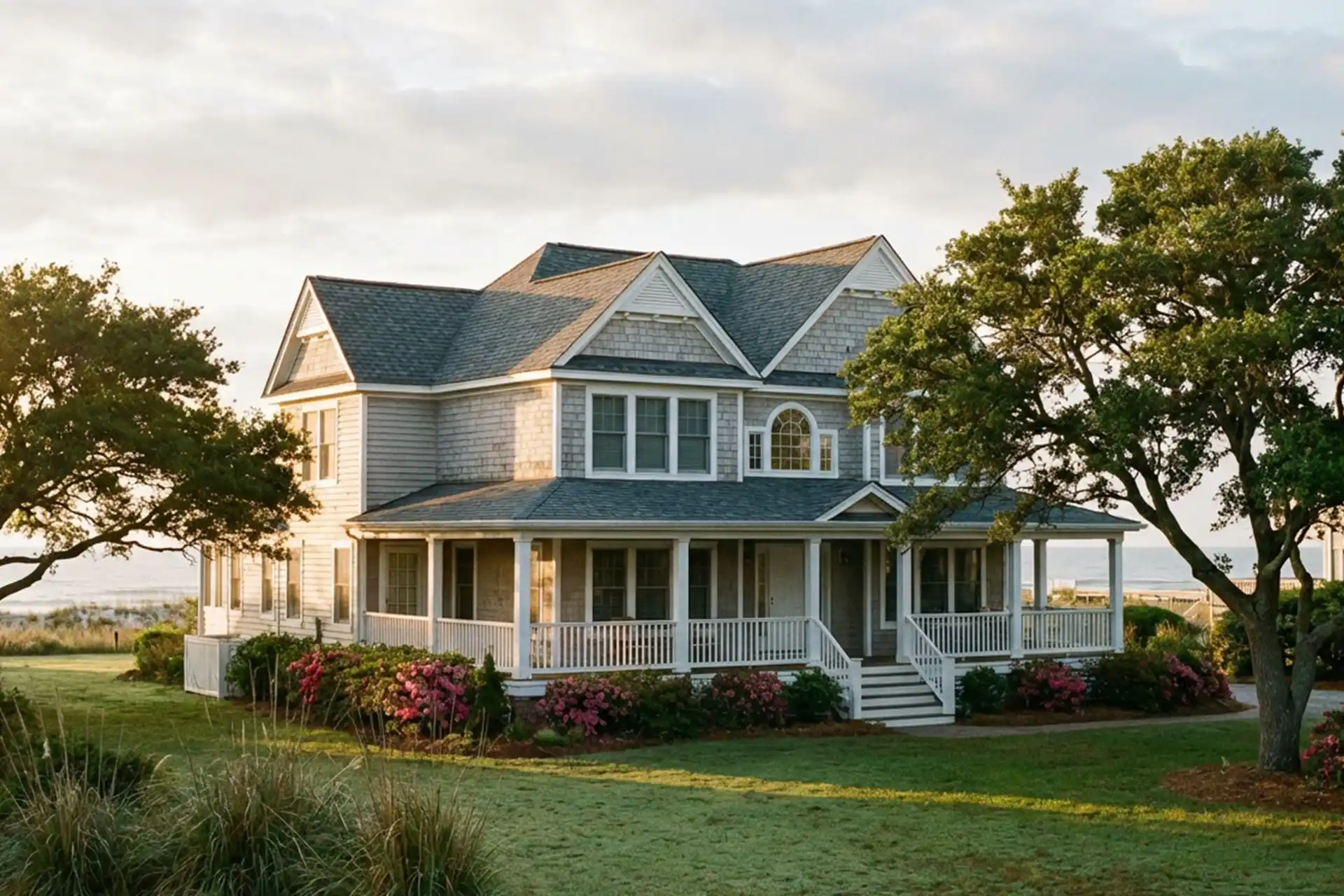
Proactive Replacement vs. Reactive Repair: A Cost-Benefit Analysis
Understanding the economic landscape in Virginia makes the choice between replacing your roof on your terms versus waiting for it to fail much clearer. Here’s how the options stack up.
Proactive Roof Replacement
This involves replacing your roof before it fails, typically when it's nearing the end of its manufacturer-backed lifespan (e.g., 15-20 years for many architectural shingles).
Pros:
- Cost Control: You can schedule the project during a contractor's less busy season, get multiple quotes without pressure, and lock in material costs. This is the best way to get a favorable roofing estimate.
- Protects Home Value: A new roof is a significant selling point and offers a strong return on investment (ROI).
- Prevents Interior Damage: You avoid the catastrophic costs of water damage to ceilings, walls, and foundations that accompany a major leak.
- Peace of Mind: A solid workmanship warranty and manufacturer warranty provide years of security. You can also upgrade to modern standards for better storm resistance.
Cons:
- High Upfront Cost: It requires a significant capital investment, though roof financing options can make it manageable.
- Perceived Waste: Some homeowners feel they are "wasting" the last year or two of their old roof's life.
Reactive Roof Repair
This approach means waiting until a problem, like a leak or significant storm damage, forces you to act. This could involve a small roof repair or an emergency replacement.
Pros:
- No Immediate Upfront Cost: You defer the large expense, freeing up cash for other needs in the short term.
Cons:
- Extremely High Emergency Costs: Emergency service calls come at a premium. You have little to no leverage to negotiate price.
- Risk of Catastrophic Interior Damage: The cost of the roof becomes secondary to the cost of repairing drywall, insulation, and potential mold.
- Limited Contractor Choice: Your options are limited to who is available *right now*, not necessarily the best roofing contractor for the job.
- Insurance Claim Headaches: Relying on an insurance claim is risky, especially with certain policies.
The True Underlying Costs (The Maintenance Deficit)
This isn't an option you choose, but an economic reality that impacts both proactive and reactive decisions. This pressure from aging infrastructure affects every roofing project in Virginia, from Fairfax County to Chesapeake.
Impacts:
- Inflated Labor Costs: The demand for qualified crews in both commercial roofing and residential roofing means labor is the single largest variable in your roof replacement cost.
- Material Scarcity & Price Volatility: When large-scale public projects absorb tons of materials, it can lead to shortages and price hikes for asphalt shingles, metal roofing, underlayment, and even roof decking.
- Longer Project Timelines: Good local roofing companies are often booked months in advance. A reactive repair might put you on a long waiting list, leaving your home vulnerable.
Deconstructing the "Average Cost": Factors That Define Your Final Price
Given the statewide pressures, a simple "price per square foot" roofing calculator is often misleading. The average cost is a myth because no two homes or projects are the same. Your final quote will be a detailed calculation based on several key factors.
Key Cost Factors for a New Virginia Roof:
- Roofing Materials: This is a primary driver. Standard 3-tab shingles are the most affordable, but architectural shingles offer a much longer lifespan and better aesthetics. Premium materials like standing seam metal roof panels, slate roofing, or cedar shake can cost two to five times as much but offer unparalleled longevity and curb appeal.
- Square Footage & Complexity: The size of your roof, measured in "roofing square" units (100 square feet), is the baseline. However, a complex roof with a steep roof pitch, many gables, and dormers requires more labor, intricate flashing work, and more material waste than a simple ranch-style home.
- Labor Costs: As discussed, this is the most significant variable in the current market. A quality roof installation is a craft, and the wages for experienced, insured crews reflect the high demand across Northern Virginia, Richmond, and the Hampton Roads area.
- Tear-Off and Disposal: The cost to remove and dispose of your old roof materials is a line item. If you have multiple layers of old shingles, the tear-off costs and disposal fees will be higher. Re-roofing (placing new shingles over old ones) is rarely advisable and often violates local building codes.
- Condition of Roof Decking: The plywood or OSB sheathing under your shingles is the roof decking. If a roofer discovers soft or rotted spots during the tear-off, those sections must be replaced at an additional cost per sheet. This is a common discovery in an aging home.
- Essential Components: A complete roofing system includes more than just shingles. Costs for synthetic underlayment, ice and water shield in valleys, new drip edge, flashing around chimneys and vents, and a ridge vent for proper attic ventilation are all critical parts of a proper roof replacement.
- Permits and Inspections: Your locality will require a building permit for a new roof, which comes with a fee. This ensures the work is done to code.
Your Most Common Roofing Questions Answered
Should a 20 year old roof be replaced?
In almost all cases, yes. A 20-year-old roof, especially if it's made of standard asphalt shingles, has reached the end of its effective service life. Even if it isn't actively leaking, the granules have worn away, the seals are brittle, and it is highly vulnerable to wind and hail damage. Replacing it proactively is a far smarter financial decision than waiting for the inevitable failure.
What is the cheapest time of year to get a new roof?
Generally, the late fall and winter are a roofer’s slow season, so you may find more competitive pricing and better availability. However, the weather can be unpredictable, causing delays. The *best* strategy isn't about timing the season, but about planning ahead. Getting a free quote well in advance gives you the power to schedule the work on your terms and avoid the premium prices charged during the frantic post-storm spring and summer seasons.
What is the 25% rule for roofing?
The "25% rule" is a common industry guideline. It suggests that if the cost of repairing your roof exceeds 25-30% of the cost of a full replacement, or if more than 25% of the roof is damaged, replacement is the more economical option. Continually patching an old, failing system is often a poor investment that only delays the inevitable.
Is $25,000 a lot for a new roof?
While $25,000 is a significant investment, it is not an unusual cost for a new roof on a larger home, a home with a complex roofline, or a project using premium materials like metal or high-end architectural shingles. In high-cost-of-living areas, this figure can be quite standard. The key is to get a detailed estimate that breaks down all the material and labor costs so you understand exactly what you are paying for.
The Insurance Trap: Why You Can’t Afford to Wait for a Storm
Many homeowners believe they can defer replacement because their homeowners insurance will cover them after storm damage. This is a dangerous and often costly assumption. The type of policy you have is critical.
Many policies are now written as Actual Cash Value (ACV). An ACV policy does not pay for a new roof; it pays for the depreciated value of your *old* roof. As the National Association of Insurance Commissioners explains, this can be financially devastating. For a 15-year-old roof needing a $15,000 replacement, the insurance company might determine it has depreciated by $10,000. After your deductible, you might only receive a check for $4,000, leaving you to cover the remaining $11,000 out of pocket for a roof you were forced to replace on an emergency basis.
Relying on an insurance claim for an old roof is gambling with your home's integrity and your financial stability. Proactive replacement puts you in control of the process and the cost.
Making the Right Choice for Your Needs
There is no single "best" answer for every homeowner. The right decision depends entirely on your roof's condition, your financial situation, and your tolerance for risk. Here is some tailored advice for different scenarios.
For The Proactive Planner
You have a roof that's over 15 years old but isn't leaking yet. Your goal is to maximize value and avoid a crisis. Your best path is to begin the process now. Start getting quotes from reputable local roofing companies. This gives you time to research materials like GAF or CertainTeed shingles, discuss upgrading components like gutters or soffit and fascia, and plan for the expense. You can schedule the work at your convenience and ensure the project is done to the highest standard, protecting your home for decades to come.
For The Reactive Repairer
You've discovered a leak or have visible damage after a storm. Your priority is immediate action to prevent further harm. Your first step is to contact a reliable, licensed, and insured contractor who can perform an emergency inspection and temporary tarping if needed. As one client mentioned about our urgent work, we offer a "Really easy estimate process and quick scheduling. They completed the work...2 days ahead of schedule and to a high standard." Look for a company that prioritizes responsiveness and clear communication to get your home secured quickly and professionally.
For The Budget-Constrained Homeowner
You know your roof is old, but the upfront cost of a new one is daunting. The greatest risk you face is being pushed into a far more expensive emergency replacement. Your best strategy is to be transparent about your budget with potential contractors. Ask about roof financing options. Inquire if a phased approach is possible (though often not practical for roofing). Most importantly, get a thorough roof inspection to understand exactly how much time you have. A small investment in a targeted repair might buy you a year or two to save for the full replacement, which is a better alternative than waiting for a complete failure.
Ultimately, making an informed decision about your roof is one of the most important choices you can make for your home's health and financial value. The economic pressures in Virginia have made the old "wait-and-see" approach a risky gamble. With integrity and technical expertise as our guide, our mission is to provide you with the clear, honest information you need to protect your investment. For homeowners in the Virginia Beach area seeking a transparent assessment and a free, no-pressure quote for your roofing or siding needs, contact the expert team at W.T. Anderson Roofing & Siding today.