WT Anderson Roofing

The #1 Chesapeake Roofing & Repair Pros

Need expert roofing or siding in Chesapeake, VA? WT Anderson offers trusted roof repairs, replacements, and vinyl siding services. Free estimates available!

Talk to a Roofer!

Use our quick contact form to get in touch with our  team. We will respond shortly.

5.0
(
624
Reviews )
Thank you! Your submission has been received!
Oops! Something went wrong while submitting the form. Please refresh the page and try again.

Long-Lasting

Quality materials & workmanship

Expertly-Installed

We take pride in the details

Industry-Leading Warranty

Call us today to learn more!

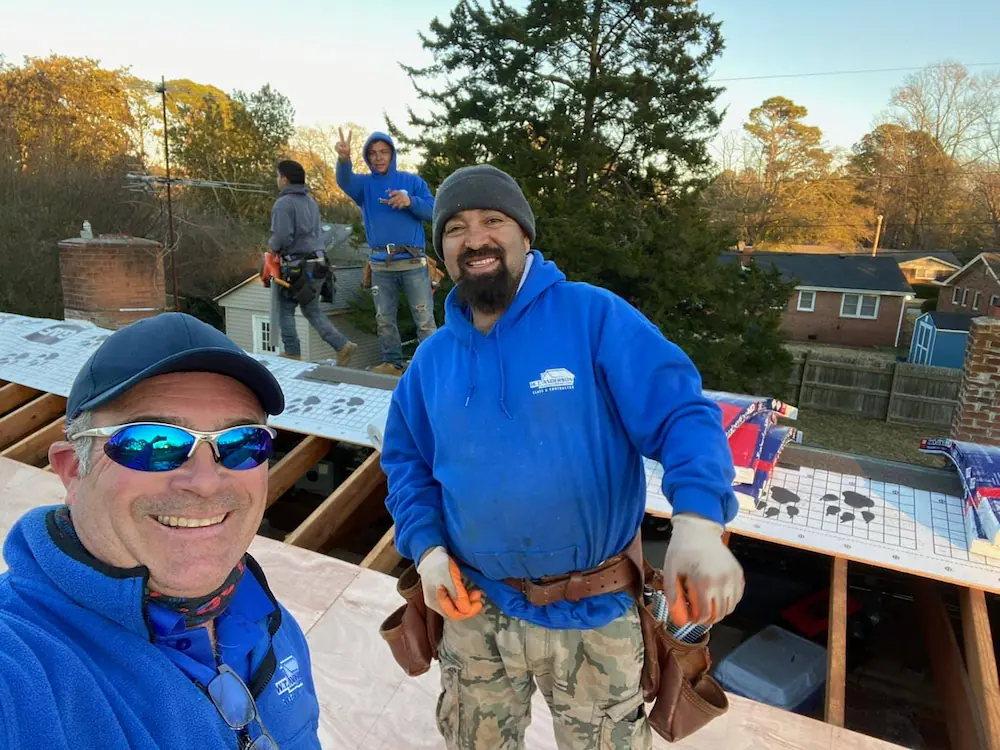
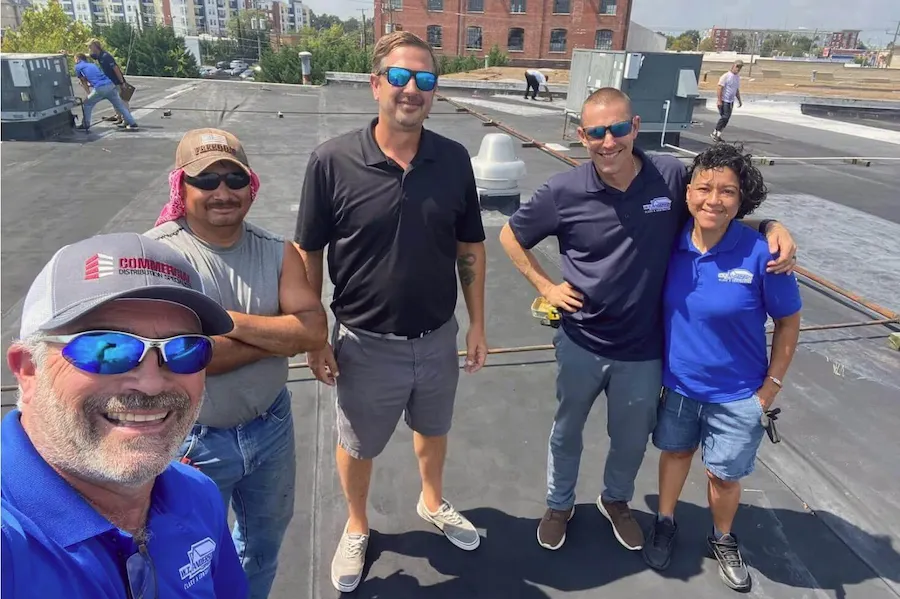
WT Anderson roofing team
WT Anderson Roofing team

Your Decision in Choosing a Roofing Contractor Should be Worry Free

As a homeowner you need to know:

With WT Anderson Roofing and Siding by your side, you will feel confident in your next home exterior project - serving all of Hampton Roads. Financing Options Available.

Call (757) 772-6000

See What Our Customers Are Saying
5.0
(
1,000
Reviews )

It's been almost 3 years since we had all our home's soffits, fascia, and gutters wrapped so we no longer have to paint them. This company did a

Lori McKenna

Excellent quality products, fast installations, and pricing is the best.Also always in contact with the customer and always respectful, cannot get a

Roger Gibson

The staff throughout the process was friendly and responsive. The turnaround time from quote to installation exceeded my expectations. I needed to have my skylight repaired and was hoping to,

Danielle Jones

Very professional and efficient skylight replacement and roof repair. Kept us well informed and sought our authorization before doing any work in addition to the original contract. Did not overcharge. Definitely would use them again.Very professional and efficient skylight replacement and roof repair. Kept us well informed and sought our authorization before doing any work in addition to the original contract. Did not overcharge. Definitely would use them again.

Joe Vaughan

If you are in need of a new roof or simply maintenance, WT Anderson and its staff is an amazing team that you can trust for excellent work and customer attention.

Clem Abrams

W.T. Anderson replaced roof shingles on my porch, and cedar shake siding above the porch. Everything about this project was first class. The Estimator, Mr. Richardson, was knowledgeable and helpful. Jasmine, the project coordinator made

John McCarthy
4.9 Rating from 550+ Reviews

Get a FREE Quote Today

Our team of friendly experts can assess the needs of your home and provide you with the knowledge you need to make informed decisions.

Prefer to Call?

Give Us a Call

Call Lisa, our customer support lead, during our business hours 7 AM - 5 PM.

Talk to a Roofer!

Use our quick contact form to get in touch with our  team. We will respond shortly.

5.0
(
624
Reviews )
Thank you! Your submission has been received!
Oops! Something went wrong while submitting the form. Please refresh the page and try again.
Roofing

Why Choose Us as Your Chesapeake Roofing Repair, Inspection, and Replacement Contractors

If your Chesapeake home needs new vinyl siding or repairs, trust the experts at WT Anderson. With over 20 years of hands-on experience, we specialize in high-quality siding solutions that improve your home’s appearance and durability. Vinyl siding is a smart investment—it’s low-maintenance, weather-resistant, and available in a wide variety of styles and colors. Whether you're replacing old, worn siding or upgrading your exterior, our team will ensure a flawless result that adds value and curb appeal. We're more than a roofing company in Chesapeake VA. Get full exterior home care including preventative maintenance, siding installation, flat roofs and metal roofs. Call for any roofing project for residential buildings or commercial! Looking for a hurricane-ready system? Read our Virginia Beach Roofing Guide to see how we protect coastal homes.

Vinyl Siding

Vinyl Siding Replacement and Repair in Chesapeake

Welcome to WT Anderson, your premier Vinyl Siding Contractor. With over 20 years of experience in the residential siding industry, we have become a trusted name in the  for all of your siding needs. Vinyl siding is a popular choice for homeowners due to its durability, low maintenance, and wide range of color options. Whether you are looking to update the exterior of your home or need to replace damaged siding, our team of experts is here to help.

Windows

Window Installation Chesapeake

You’re about to see the world in a whole new light with our window services. It’s not just about looks – we promise windows that are energy-efficient and tough as nails. We’re here to let the sunshine in and keep uncertainties out, just like any good neighbor would. We’re here with you through every step of the window purchase and installation, addressing your questions and alleviating doubts.  With us, you’re not just getting windows – you’re getting real value and quality. We are happy to be your neighbor and partner in this endeavor.

Gutters

Gutter Installation and Repair in Chesapeake

Let us take care of the rain! You can sit back and relax even during the heaviest downpours. Our gutter solutions, gutter installations, and gutter repairs prevent potential damage to your home’s foundation and landscape or mitigates current damage. Need gutter cleaning? Let’s prolong the life of your gutter and roof systems.

Commercial

Chesapeake Commercial Roofing

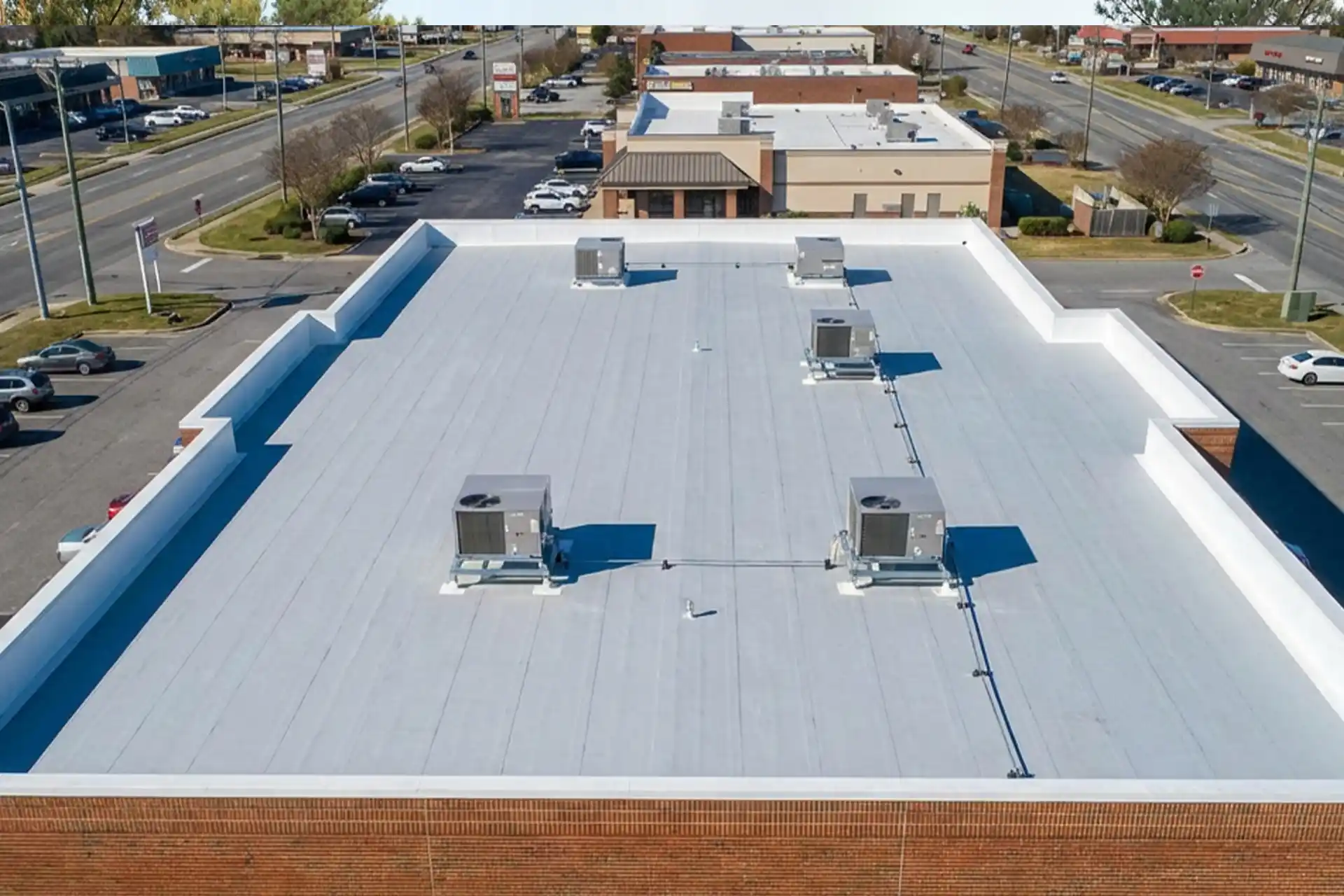
If your commercial roof is showing signs of wear and tear, it may be time to consider a commercial roof replacement, commercial roof repair, commercial roof inspection, or a new commercial roof construction. Perhaps it’s recent storm damage and you need significant leak repair… Our team of experts can assess the condition of your commercial roof and provide you with a comprehensive plan for replacing it. We understand the unique needs of commercial properties, the many types of roofing, and can work with you to minimize disruption to your business operations during the replacement process. For the top locally owned and operated roofing contractor near you, experienced in all major commercial roof systems, call W.T. Anderson today.

W.T. Anderson Coastal Roofing Resrouces

Can you repair a roof without replacing it?

Have you ever looked up at your roof and wondered if it needs a complete overhaul or just a little TLC? Many homeowners face this dilemma, as roof repairs can often be more economical than a full replacement. Understanding the nuances of your roof's condition is essential in making this decision.

Identifying signs of damage early can save you time and money down the line. From leaky ceilings to curling shingles, recognizing these issues can lead to timely repairs, as our Norfolk roofing crew has recently discovered for a customer - potentially prolonging the roof’s lifespan. Regular inspections and knowledge of a roof's age play vital roles in determining whether repair is feasible or replacement is inevitable.

In this article, we will explore the possibilities of repairing a roof without replacing it, weighing the benefits and drawbacks of both approaches. We'll discuss common signs of damage, types of repairs, DIY possibilities, and when it's best to call in the professionals. Understanding these factors can help you make informed decisions about your roof’s care.

Common Signs of Roof Damage

Keeping an eye on your roof is key to maintaining your home's safety and value. Common signs of roof damage can help homeowners detect issues early. Missing shingles, curled edges, and cracked roofing materials often signal that a roof is deteriorating. Ignoring these signs can lead to water leaks and further problems.

Identifying a Leaky Roof

A leaky roof can cause extensive water damage if not addressed. Look for water stains on ceilings or walls; these often point to roof leaks. Roof valleys are especially prone to leaks, so inspect them carefully. Regular maintenance and minor repairs can prevent minor roof leaks from developing into significant issues.

Recognizing Shingle Issues

Shingle issues can compromise your roof's integrity. Missing granules on asphalt shingles or dented metal components indicate structural damage. Dark streaks or algae growth on shingles also suggest that repairs may be needed. Addressing these issues early can save you from needing a complete roof replacement.

Observing Interior Water Stains

Water stains inside your home are a clear sign your roof might be compromised. They often hint at a more extensive problem with the roofing material or water shields. Spotting these stains early can prevent additional damage and costly replacements. Regular inspections are essential to catch signs of roof damage before they escalate.

Understanding Roof Age and Condition

Knowing the age and condition of your roof can help you make informed decisions about necessary repairs. Roofs come with different lifespans based on the roofing material used. For instance, asphalt shingles may last around 20 years, while metal roofs can last up to 50 years. Understanding your roof's age and condition can help you recognize signs of roof damage early. Keep an eye on water stains, roof leaks, and changes in curb appeal to gauge the health of your roof.

Factors Influencing Roof Longevity

Several factors influence how long a roof will last. Here are some key points to consider:

  • Roofing Material: Different materials have different life expectancies. Asphalt, metal, wood, and tile have varying durability.
  • Climate: Extreme weather like heavy rain, snow, or wind can wear down a roof faster than mild climates.
  • Roof Pitch: Steeper roofs can shed water and snow more easily, possibly extending their lifespan.
  • Maintenance: Regular maintenance plays a vital role in extending your roof's longevity. Cleaning gutters and inspecting shingles can prevent minor damage from becoming major issues.

Importance of Regular Inspections

Regular inspections are crucial for maintaining your roof and avoiding costly roof replacement. A licensed roofing contractor can spot minor roof leaks, roof valley issues, and other early signs of damage. Here’s a simple checklist for roof inspections:

  • Look for missing or damaged shingles.
  • Check for water spots or stains on the ceiling.
  • Identify areas with possible water damage.
  • Examine the attic for signs of roof leaks or additional damage.

By addressing these issues early, you can opt for minor repairs or partial replacements rather than a complete replacement, saving you money and reducing replacement costs. Routine inspections enhance energy efficiency by ensuring your roof remains in top condition.

Pros and Cons of Roof Repair vs. Replacement

Deciding between repairing or replacing your roof is a big decision. Both options have their own pros and cons. Your choice largely depends on the condition of your roof and your budget. Let’s explore the advantages and disadvantages of both to help you make an informed decision.

Advantages of Repairing a Roof

  1. Cost-Effective: Repairing a roof is usually cheaper than replacing it. For minor damage, like a small leak or a few missing shingles, repairs are often the best choice.
  2. Quick Solution: Roof repairs can be done faster than a full replacement. This means less disruption to your daily life.
  3. Extends Roof Life: Timely repairs can extend the life of your entire roof. Fixing minor issues—like a roof valley or leaky roof—can prevent additional damage.
  4. Maintains Curb Appeal: Keeping up with maintenance, such as fixing water spots or small roof leaks, can keep your home looking its best.

Benefits of Replacing a Roof

  1. Long-Term Solution: A new roof can offer peace of mind. It’s a way to resolve signs of roof damage thoroughly and improves the overall reliability of your home.
  2. Improved Energy Efficiency: New roofing materials can provide better insulation, reducing your energy bills.
  3. Boosts Curb Appeal: A new roof enhances the curb appeal of your home. This can be a big advantage if you’re planning to sell.
  4. Increased Property Value: Replacing an old roof can increase your property's value. This makes it a good investment.

Drawbacks of Replacing a Roof

  1. Higher Upfront Cost: A complete roof replacement is more expensive than doing minor repairs or a partial roof replacement.
  2. Time-Consuming: Replacing a roof takes time. It’s a major project that involves a lot of work by roofing contractors.
  3. Disruption: Having your entire roof replaced can be disruptive to your daily routine.
  4. Replacement Costs: The costs can add up with labor, materials, and any unexpected expenses.

In conclusion, whether you opt for roof repairs or a complete replacement, consulting with licensed roofing contractors can help you make the best choice for your home. Make sure to assess the extent of the damage and weigh the benefits against the potential drawbacks to make an informed decision.

Types of Roof Repairs

Repairing a roof doesn't always mean you have to replace the entire thing. Many times, addressing specific problems can extend the life of your roof. Knowing the types of roof repairs can help you make informed decisions and avoid replacement costs. Here are some common methods:

Patching Leaks

A leaky roof is a sign of potential water damage. Roof leaks can lead to water stains on ceilings and further issues if left untreated. Patching leaks involves identifying the source and applying roofing adhesive or water shields to seal the area. For minor roof leaks, this can be a quick and effective solution to prevent additional damage. Be sure to address minor damage early to avoid extensive water damage later.

Replacing Damaged Shingles

Shingles are a crucial part of your roof's performance and curb appeal. Damaged or missing shingles can lead to leaks and energy efficiency problems. Replacing damaged shingles is a cost-effective roof repair option. It maintains the roof’s integrity without needing a complete replacement. Roofing materials used in the process should match your existing roof for a uniform look. This repair often involves partial replacements, targeting specific areas like the roof valley where damage is common.

Sealing and Coating

Sealing and coating your roof can prolong its lifespan and improve energy efficiency. These methods involve applying a protective layer over the roof to guard against the elements. Roof coatings can cover small imperfections and add a reflective layer to reduce heat absorption. This not only helps in roof maintenance but also improves the overall comfort of your home. Hiring licensed roofing contractors ensures the proper application of these materials, enhancing your roof's durability.

Here's a summary table of common roof repairs and their benefits:

By understanding these repair types, you can maintain your roof effectively without resorting to a complete roof replacement. Always consult with roofing contractors for advice tailored to your specific situation.

DIY Roof Repairs: When to Attempt

Taking care of a roof is an important part of home maintenance. This ensures your house stays safe and comfortable. While it may be tempting to handle repairs yourself, it is crucial to know when it's okay to do so. Not every issue needs a roof replacement. Sometimes, minor repairs can fix the problem. Consider factors like the type of damage and your own DIY skills before getting started.

Assessing Your Skill Level

Before you grab your tools, think about your ability to handle the job. Do you have experience with basic home repairs? Have you ever worked at heights or used a ladder safely? Remember, some tasks might require a licensed roofing contractor. Take some time to evaluate your comfort level with small repairs. If you are unsure, it's best to call in the professionals to prevent additional damage.

Simple Repairs You Can Handle

For those with a knack for DIY, some roof repairs are manageable. These include:

  • Minor roof leaks or drips.
  • Replacing a few damaged shingles.
  • Fixing small areas in the roof valley.
  • Sealing small gaps with roofing adhesive.

These tasks do not usually need a complete roof replacement. Addressing these promptly can save energy and prevent water damage. Always check for water stains or water spots, as these are signs of roof leaks.

Tools and Materials Needed

To address simple roof issues, gather the right tools and materials:

By using these tools, you can carry out minor repairs efficiently. However, if you notice extensive water damage or if repairs seem beyond your capability, contact roofing contractors. They can provide informed decisions about the need for partial replacements or more extensive work.

When to Call a Professional

Maintaining your roof is crucial to the safety and comfort of your home. However, there are times when you need to call in the experts. Knowing when to call a professional can save you time, money, and potential damage.

Recognizing Complex Repairs

Some roof issues are more complex and require a professional touch. For example:

  • Extensive water damage is hard to fix without expert knowledge.
  • Roof valleys are areas prone to leaks and can require intricate repairs.
  • Complex installations like skylights or chimneys need skilled attention.

Evaluating the Extent of Damage

Before deciding on a course of action, it's important to evaluate how bad the damage is. Minor repairs can often be done without replacing the entire roof. Here are some ways to assess damage:

  • Look for water stains on the ceiling, which can be signs of roof leaks.
  • Check for missing or damaged shingles that might only need partial replacements.
  • Inspect for minor roof leaks that can be fixed with roofing adhesive or patching.

A simple table can help in evaluating damage:

Understanding Safety Risks

Roof repairs can be risky. If safety is a concern, it's best to call professionals. Here’s why:

  • Roofing work often happens high above the ground, posing a risk of falls.
  • Handling unfamiliar roofing material can lead to accidents.
  • Professional roofing contractors are trained to manage these risks safely.

By understanding when to call a licensed roofing contractor, you protect your home and yourself. This way, you make informed decisions about your roofing needs without risking additional damage.

What time of year is the cheapest to replace a roof?

When it comes to home maintenance, few tasks weigh heavier on the wallet than replacing a roof. Homeowners often find themselves caught in a whirlwind of uncertainty, wondering when the best time to make such a significant investment is. Each season brings its own unique set of factors that can impact both the cost and timing of replacing a roof.

Understanding the ins and outs of roofing seasons is crucial for anyone looking to save money. As demand fluctuates throughout the year, so do prices, labor availability, and material costs. With insights into peak seasons and off-peak opportunities, homeowners can navigate their way through this essential home improvement process with confidence.

This article aims to break down the complexities of roofing replacement costs by season, explore the various factors that influence these expenses, and provide budget-friendly strategies for making one of the most significant upgrades to any home. By being informed, homeowners can make the right choices at the right time, ensuring they invest wisely in their property’s future.

Understanding Roofing Seasons

When it comes to replacing your roof, timing can have a significant impact on your budget. Much like many home improvement projects, roofing replacements are subject to seasonal fluctuations in demand which can affect pricing and availability. Roofing companies typically experience varying levels of business throughout the year, labeled as the busy season, transitional season, and slow season. Understanding these seasonal trends can empower homeowners to make informed decisions on when to undertake their roof replacement project to potentially save money and ensure the best quality work.

Busy Season

The busy season for roofing contractors is traditionally during the warmer months, particularly late spring through to the late summer. This is attributed to the optimal weather conditions which are conducive to the roofing materials and the installation process. Warm weather ensures that materials like asphalt shingles, a popular choice due to their cost-effectiveness and durability, adhere properly and seal as intended. Moreover, long daylight hours offer roofing crews the ability to work longer, which can translate to faster project completions.

However, this popular time for roof replacements means that demand is high, and this can lead to increased prices and longer waiting times for homeowners. Roofing companies might be scheduling weeks, if not months, in advance, and the rush might not allow for the best deals or for the most attentive service as contractors juggle multiple projects.

Transitional Season

The transitional season refers to the periods leading into and out of the busy season, generally recognized as late summer to early fall and from late winter to early spring. These seasons still offer generally favorable weather for roofing projects, with some caveats. For instance, early fall might see demand still remaining high as homeowners rush to prepare their homes for upcoming harsh winters. Conversely, late winter to early spring demand wanes slightly, as cold temperatures linger, possibly affecting the installation process.

During transitional seasons, it’s a mixed bag for pricing. The late summer to early fall can still see high prices due to sustained demand, while the cold weather in late winter to early spring might lead to lower prices as roofing contractors look to book jobs during what is traditionally a slower time.

Slow Season

The slow season for roof replacements is typically during the winter months, when cold temperatures and potential snowfall can make roofing projects more challenging. In some regions with especially harsh winters, roof work may need to be delayed altogether. Despite these weather challenges, the slow season presents a potential boon for savvy homeowners.

Roofing companies may lower prices during this time to attract business, making it the most cost-effective time for those willing to brave the scheduling risks associated with cold weather. However, it is crucial to work with a reputable contractor experienced in winter roof installation to ensure the job is done correctly and safely.

While asphalt shingles can be installed in cold temperatures, special precautions and adjustments to the installation process are necessary. If roof repairs are stemming from urgent roof leaks, roofing contractors often offer quick fixes until warmer weather permits a full replacement. Therefore, patience and the nature of the roof issue will dictate whether the slow season is the ideal time for your roof replacement project.

Cost Analysis by Season

In the dynamic world of home improvement, the cost of roofing projects can vary significantly with the seasons. Understanding this fluctuation is key for homeowners who look to optimize their investments without compromising on quality. Roof replacements are major undertakings, often requiring a significant budget, but with smart timing, one can attain considerable savings. Let’s delve into a seasonal cost analysis that outlines when you might get the best bang for your buck and what to expect throughout the year.

Late winter to early spring: Benefits and challenges

Embarking on a roof replacement project during the late winter to early spring could spell numerous advantages for the vigilant homeowner. It’s a time when roofing companies emerge from their slow season experienced in the colder months. During this period, contractors are more likely to offer competitive pricing and incentives to kick-start their business year. The potential for quicker scheduling is also a key benefit; it’s not uncommon to see a more flexible timeline and faster project completion when roofing contractors have less on their plate.

However, there are challenges. The cold temperatures and lingering inclement weather can present obstacles. For materials like asphalt shingles, cold weather can hinder the sealing process, as they require warmth to properly adhere. Despite this, a reputable contractor with experience in winter roof installation can navigate these difficulties and capitalize on breaks in the weather, ensuring the job is done effectively.

Spring: A balance of demand and value

As the chill of winter recedes, spring blossoms as a popular time for roof replacements. The moderate temperatures make for ideal working conditions – not too hot, not too cold. Roofing materials, including asphalt shingles, perform well in these conditions, making the installation process smoother and the outcomes more reliable.

With an uptick in demand, one might expect a sharp rise in prices. However, spring still offers a balance of demand and value since it’s before the busy season of summer. Homeowners can still seize the opportunity for relatively better pricing and reasonable scheduling options. Spring also provides an excellent window to assess winter damage and address it before any small issues evolve into costlier repairs.

Summer: Peak demand and higher costs

When summer rolls around, the roofing industry hits its stride. The warm weather not only facilitates optimal conditions for roof installations but also marks a time when homeowners are most proactive about improvement projects. This surge in demand, however, comes with heightened costs. Roofing companies operate at full capacity, and the increased workload can lead to premium pricing.

If emergency roof repairs or immediate replacements are not a factor, waiting out the peak season could benefit one’s bottom line. But for those who must proceed, booking early is essential to secure a spot on the busy schedules of sought-after contractors.

Fall: Price increases as winter approaches

Late summer into fall is a mixed bag for roofing projects. Initially, there may be a lull as families focus on back-to-school activities, potentially yielding some short-term deals. Yet, as winter looms, homeowners urgently looking to ready their roofs for harsh winters lead to a spike in demand. Consequently, prices increase as contractors get busier, offering fewer bargains compared to the offseason.

By considering these seasonal dynamics, one can strategize the timing of a roof replacement to align not only with individual needs but also with the likelihood of receiving the best value from roofing companies. Whether it is tapping into the late winter offers, striking a balance in spring, sidestepping the summer rush, or beating the pre-winter surge, timing is everything in the roofing business.

Factors Affecting Roofing Costs

When it comes to roofing, the cost is influenced by a myriad of factors – some predictable, others less so. Each element in the equation can significantly alter the final price tag of a roof replacement project. From the selection of roofing materials to labor costs, and even the specific geographic location of your property, understanding these variables is crucial for homeowners seeking to time their roof replacement efficiently and cost-effectively.

Now, let’s explore how material choices, labor costs, and geographic location can each play a role in the overall cost of replacing a roof.

Material Choices and Their Cost Implications

Choosing the right roofing material is not just a matter of aesthetics or personal preference; it also affects the bottom line of your roofing project. The common roofing materials such as asphalt shingles, metal, tile, and wood all come with different price points and longevity. Asphalt shingles are known for their affordability and are widely used, but they may not last as long as more expensive options like metal or tile.

Roofing materials can also vary in price depending on their quality and any additional features they offer, such as increased resistance to fire or impact from hail. Moreover, some materials require specialized labor for installation, which can affect costs. Seasonal availability and industry trends can cause fluctuations in material costs as well. During times of high demand, prices for even the most common materials like asphalt shingles can increase.

Labor Costs Throughout the Year

Labor costs for roofing contractors can fluctuate throughout the year based on demand. During peak roofing seasons, which often include the late spring to late summer months, labor costs can rise due to the high volume of work. Contractors are busier, and their services are in greater demand; thus, their pricing reflects that.

Conversely, during the winter months, labor costs might decrease. The colder weather often leads to a decrease in roofing projects due to potential roofing complications from cold temperatures, such as issues with shingle adhesion. This so-called “slow season” can be a time when homeowners might negotiate more favorable rates as roofing companies look to maintain steady business through colder periods.

Geographic Location Influences Pricing

The geographic location of a property can play a significant role in the cost of roof replacement. Regions with harsh winters might see higher costs due to the need for roofing materials and installation processes that can withstand extreme weather conditions. Conversely, warmer climates might offer more competitive rates but could also have a higher demand for roof replacements year-round.

The local cost of living will also affect labor rates. Areas with a higher cost of living typically have higher labor costs, which would make a roof replacement more expensive than in regions with a lower cost of living. Additionally, regional regulations and codes can influence the type of materials required, which in turn affects the overall cost.

Strategies for Budget-Friendly Roof Replacement

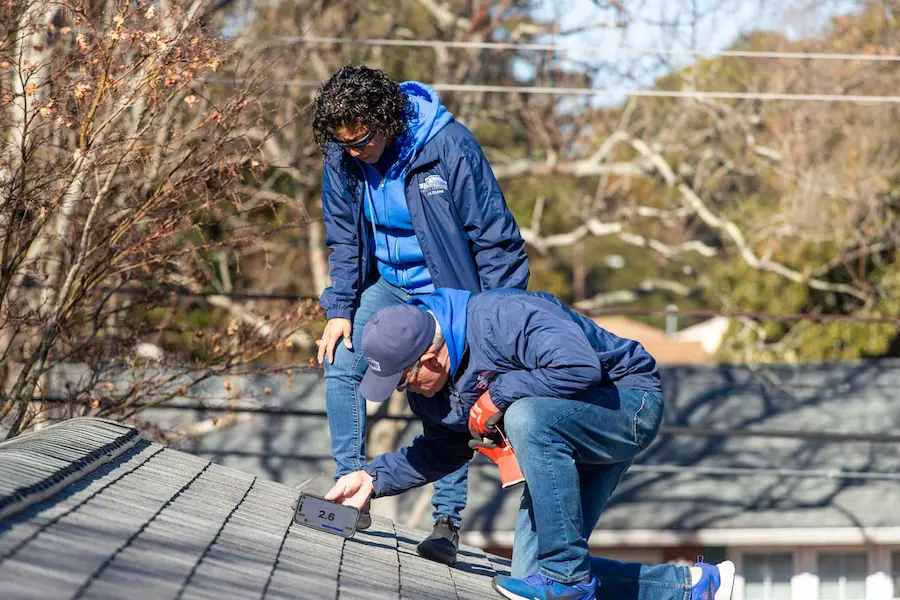
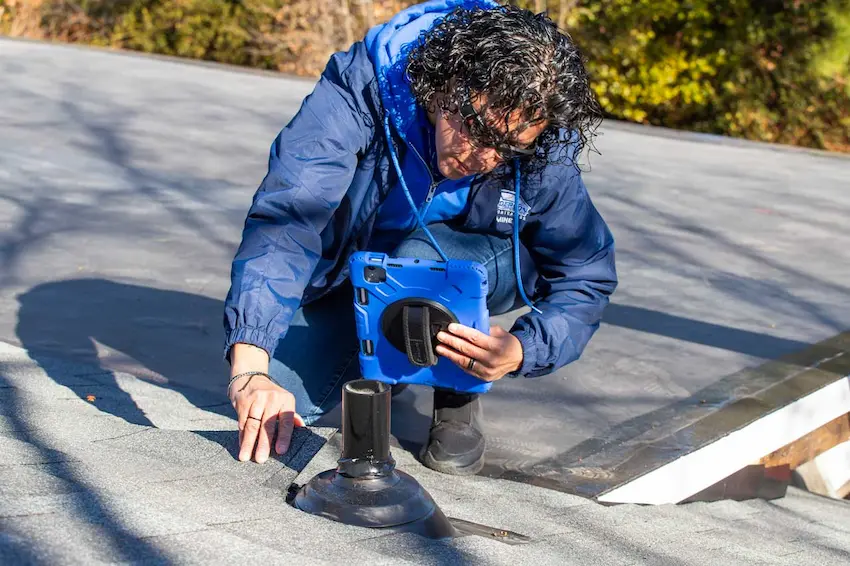
A person assessing the roof of his house

Embarking on a roof replacement project can be daunting, not least because of the cost involved. However, there are several strategies homeowners can deploy to make roof replacements more budget-friendly without compromising on quality. Securing multiple estimates from reputable roofing contractors is essential to get a fair price. It’s also wise to consider the longevity and cost-effectiveness of roofing materials; for example, asphalt shingles are generally more affordable and widely available. Moreover, taking the time to conduct research on potential rebates for energy-efficient materials or negotiating with contractors during their slow season can result in significant savings. A well-planned approach can transform what seems like a financial burden into an achievable home improvement project.

Assessing Your Roof’s Condition

The first step in a budget-conscious roof replacement is to realistically assess the condition of your current roof. Regular inspection plays a pivotal role, as minor issues can escalate into major problems if left unchecked. Look for signs that indicate an impending need for a roof replacement, such as numerous missing or cracked shingles, sagging structure, frequent roof leaks, or extensive moss growth. By identifying these issues early, homeowners can plan for roof replacements before emergency situations arise, which often come with a higher price tag due to the urgency of the work required.

Exploring Financing or Assistance Programs

When it’s time to replace a roof, the price can be a barrier for many homeowners. Researching financing options or assistance programs can help ease this burden. Many roofing companies offer flexible financing plans that fit a variety of budgets, allowing for manageable monthly payments. Additionally, homeowners should explore government grants, especially those aimed at energy-efficient home improvements, as these can subsidize the cost of installing environmentally friendly roofing materials. Local governments or utility companies may also have funds or rebates available for residents undertaking significant home improvement projects like roof replacement.

Timing Your Replacement Wisely

One of the most significant strategies to minimize roofing expenses is timing the replacement wisely. Generally, the late fall and winter months can be the most cost-effective times to schedule a roof replacement. This is typically the slow season for roofing contractors, and as business wanes, you might find that they are more willing to negotiate on price. However, weather conditions, like cold temperatures, can affect the installation process of certain materials, such as asphalt shingles, which require warmer temperatures to seal properly. Planning your replacement during the late spring or late summer, just before or after the busy season, can also lead to savings as contractors are transitioning between peaks and may have more room to offer competitive pricing.

Conclusion: Planning for Your Roof Replacement

In conclusion, planning for your roof replacement requires thoughtful consideration of several key factors. Firstly, understand the seasonal demand; the busy season for roofing companies typically comprises the summer months and early fall, when weather conditions are optimal for roofing projects. Conversely, late winter to early spring represents the slow season, when contractors might have more availability and potentially offer more competitive pricing. Secondly, consider your roofing materials; asphalt shingles, for example, may have specific temperature requirements for optimal installation.

Bear in mind that while cold temperatures can pose challenges, such as brittle shingles and the need for special installation techniques, winter months sometimes present the cheapest time for a roof overhaul due to less demand. However, for those in regions with harsh winters, it’s crucial to weigh potential cost savings against the risk of cold weather-related installation issues.

Engaging a reputable contractor is vital as they can navigate seasonal nuances to ensure your roof replacement is completed effectively. Ultimately, the ideal time for your roof replacement is when it aligns with your personal needs, budget, and weather conditions conducive to a successful installation process. Timing your project right can lead to significant savings and a smooth roof replacement experience.

Do you need a building permit to replace a roof in Virginia?

Here’s what you need to know about permitting for different types of roofing projects in Virginia

Replacing a roof is a significant investment for homeowners, and ensuring the project complies with local regulations is essential for a smooth and successful outcome. In Virginia, understanding building permit requirements is crucial when undertaking roof replacement projects. In this guide, we’ll explore the ins and outs of building permits for roofing companies in Virginia and provide valuable insights to help homeowners navigate the roofing process with confidence.

Understanding Building Permits:

Building permits are official approvals granted by local authorities that authorize construction or renovation projects. They serve to ensure that the work complies with building codes, safety standards, and zoning regulations. Obtaining a building permit is an important step in maintaining the safety and integrity of residential and commercial structures.

Building Permit Requirements in Virginia:

va beach inspector looking at building permit and plans

Virginia’s building permit regulations for roof replacements may vary depending on factors such as the scope of work and local jurisdiction. While specific requirements may differ from one locality to another, homeowners should be aware of the potential need for a building permit before proceeding with a roof replacement project.

When is a Building Permit Required for Roof Replacement?

Determining when a building permit is required for roof replacement depends on various factors, including the extent of the work and local regulations. Structural alterations, changes in roofing materials, or modifications to rooflines may trigger the need for a permit. Homeowners should consult with local building authorities or experienced roofing contractors to determine their permit obligations.

Common Exemptions:

In some cases, roof replacement projects may be exempt from building permit requirements. Common exemptions may include minor repairs or replacements that do not alter the structure or integrity of the roof. However, homeowners should verify any exemptions with local authorities to ensure compliance with regulations.

Application Process:

The application process for obtaining a building permit in Virginia typically involves submitting the necessary documentation, paying applicable fees, and obtaining approval from the local building department. Homeowners should familiarize themselves with the specific requirements and timelines for permit applications in their area.

Permit Inspection Process:

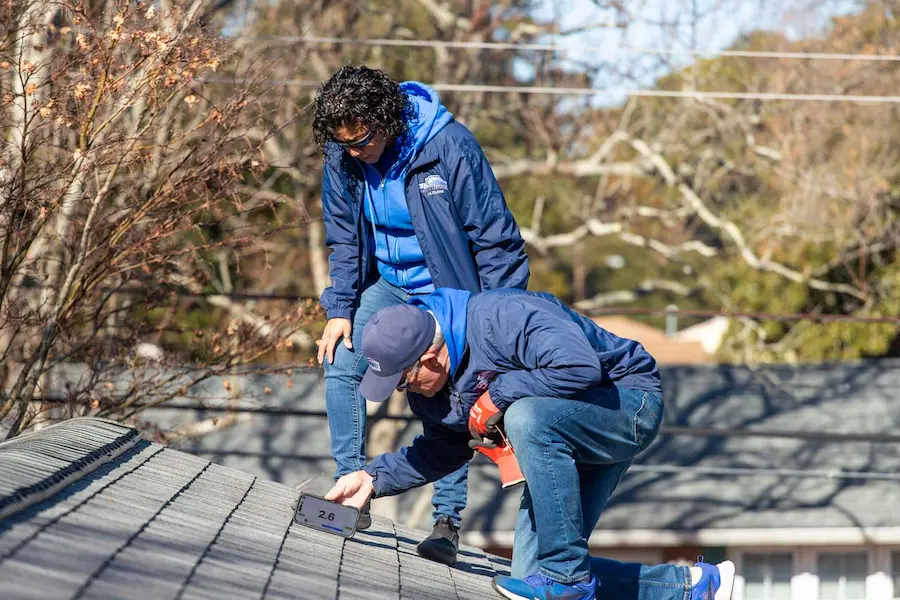
roof inspector looking at roof line

After obtaining a building permit, homeowners can expect to undergo permit inspections during various stages of the roof replacement project. These inspections verify compliance with building codes and ensure the work meets safety standards. It’s essential to schedule and pass all required inspections to finalize the permit.

Benefits of Obtaining a Building Permit:

Obtaining a building permit offers several benefits for homeowners, including ensuring compliance with regulations, protection against legal and financial liabilities, and verification of work quality through inspections. While the permit process may add time and costs to the project, the benefits far outweigh the potential risks of unpermitted work.

Potential Cost Implications:

Homeowners should budget for potential costs associated with obtaining a building permit for roof replacement projects. These costs may include permit fees, which vary depending on the scope of work and local regulations. Additionally, failing to obtain a required permit may result in fines or penalties for unpermitted work.

How WT Anderson Can Help:

At WT Anderson, we understand the importance of compliance with building permit requirements for roof replacement projects. Our experienced team can assist homeowners in navigating the permit process, ensuring a stress-free and compliant roofing experience. With our focus on integrity and exceptional results, homeowners can trust us to handle their roof replacement projects with professionalism and expertise.

What’s Next?

Navigating building permit requirements for roof replacement projects in Virginia is a crucial aspect of ensuring compliance and safety. By understanding the need for permits, following the application process, and working with experienced professionals like WT Anderson, homeowners can embark on their roof replacement projects with confidence. Remember, obtaining a building permit is not just a legal requirement—it’s a commitment to quality, safety, and peace of mind for homeowners and their families.