Salt Air and Your Home Exterior: How Coastal Conditions Impact Roofing, Siding, and Gutters
Our team responds within 24 hours!
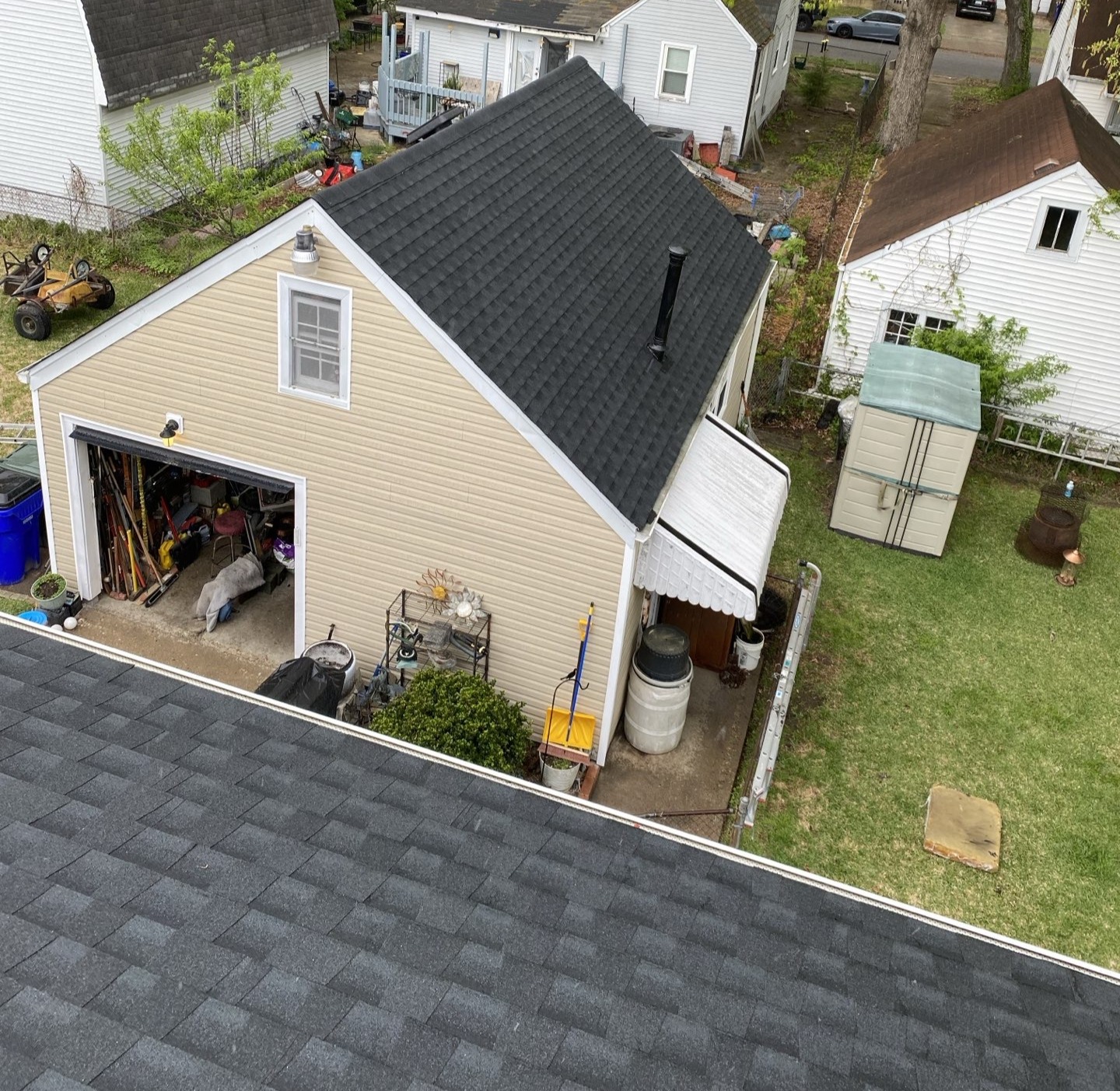

Living close to the coast is a dream for many, but the unique weather of coastal Virginia brings extra considerations when it comes to maintaining your home exterior. The high salt content in the air, increased humidity, and persistent winds can all take a toll on your roofing, siding, and gutters, affecting both their appearance and longevity. Understanding these effects and taking preventive measures are essential to preserve your property and protect your investment.
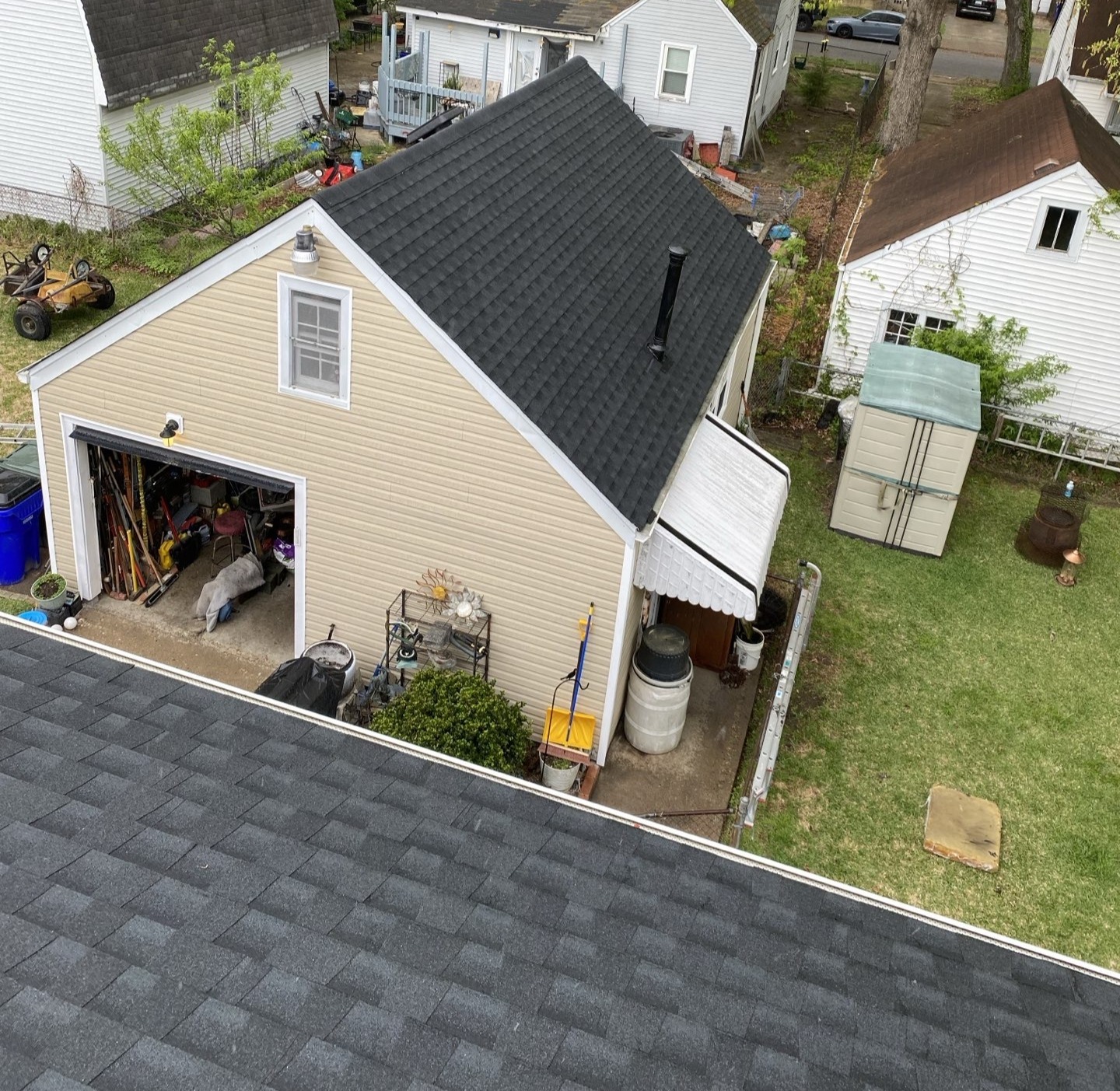
How Salt Air Impacts Roofing Materials
The salty air in coastal regions accelerates the wear and tear on most roofing materials. Salt particles settle on the roof and, combined with moisture from fog, rain, or dew, can break down protective coatings over time. This process leads to faster corrosion on metal roofing elements and can also cause some types of shingles to deteriorate more quickly.
To minimize this damage, regular roof cleaning is important. Removing salt deposits helps extend the life of the materials. Opting for high-quality materials that are specifically designed for coastal environments, such as impact-resistant shingles or corrosion-resistant metal roofing, can also prove beneficial. Regular inspections are especially important, as early detection of salt damage means repairs can be made before issues become extensive.
Humidity and Its Effects on Siding
Humidity along the coast is often higher than inland, creating an environment where moisture lingers. Prolonged exposure to high humidity can compromise siding materials by encouraging mold, mildew, and algae growth, especially on wood and fiber cement siding. Over time, this reduces the visual appeal of the siding and may also impact its structural integrity. Vinyl siding, while resistant to some forms of moisture, is not immune if not properly sealed and maintained.
Homeowners can prevent premature siding deterioration by:
- Routinely cleaning siding to remove salt and organic buildup.
- Ensuring proper ventilation to reduce trapped moisture.
- Inspecting for cracks, gaps, or warping that may allow moisture to infiltrate.
Windy Conditions and Gutter Systems
Coastal winds are especially hard on gutter systems. High gusts can loosen gutter fasteners, while airborne debris can clog gutters, causing water to overflow and damage exterior walls or your foundation. Over time, salty air also causes metal gutters and fasteners to oxidize, leading to rust and structural weakness.
Protecting your gutters involves:
- Regular inspections to make sure gutters and downspouts are secure.
- Cleaning out debris at least twice a year, or more frequently during stormy seasons.
- Using rust-resistant materials, such as aluminum or vinyl, for longer-lasting performance.
- Installing gutter guards to minimize blockages caused by leaves and twigs.
Proactive Steps for Coastal Homeowners
Staying ahead of coastal wear involves regular maintenance and the right material choices. Here are several best practices:
- Schedule routine professional inspections for roofing, siding, and gutters to spot early signs of corrosion or moisture damage.
- Clean all exterior surfaces regularly to remove salt and prevent organic buildup.
- Use high-quality, coastal-grade materials for all repairs and replacements.
- Seal and paint wooden or metal surfaces to add an extra barrier against moisture and salt.
Protecting Your Norfolk VA, Home: Schedule a Free Assessment
Coastal properties in Norfolk, VA require ongoing care to withstand salt air, humidity, and wind. At WT Anderson Roofing & Siding, we provide comprehensive exterior solutions including roof repairs, siding installation, and gutter services, designed to combat local environmental challenges. Call us today at +1 (757) 816-9203 or fill out our convenient online form to schedule a free assessment and help ensure your home stays protected, season after season.